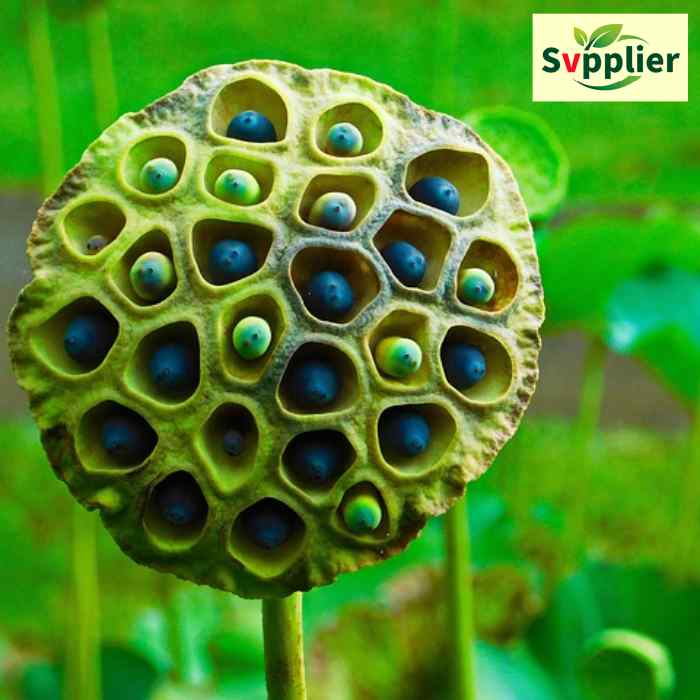
Lotus seeds provide a combination of nutrients that promote heart health, sustained energy, and improved sleep. Packed with protein, fiber, and vital minerals such as magnesium and potassium, these seeds are great as a snack or cooking component. Folks tend to add lotus seeds to sweets and savories alike, across various cuisines, and they suit a number of diets as they are gluten-free and low in fat. A few studies tie lotus seeds to digestion benefits, less blood sugar spike, and antioxidant anti-aging. With a subtle flavor and tender bite, lotus seeds seamlessly integrate into soups, teas, and pastries. If you’re one of those people who want an easy way to sneak in more plant-based foods, lotus seeds provide both flavor and nutrition.
The Core Health Benefits of Lotus Seeds
Lotus seeds, a staple in both traditional medicine and modern wellness circles, excel due to their nutritional density and unique plant compounds, including bioactive constituents like flavonoids and phenolic compounds. These therapeutic seeds can provide a number of health benefits beyond simple nutrition.
1. Digestive Harmony
Lotus seeds are an excellent source of soluble fiber that keeps food moving seamlessly through the digestive system. This fiber delays digestion, which helps keep bowel movements regular and prevents chronic diarrhea. A lot of people swear by consuming lotus seeds post-heavy meal to reduce bloating and soothe stomach aches.
A few of these seeds, dropped in soups or salads, can make meals easier to digest. They’re a convenient alternative for anyone seeking solace from the occasional stomach ache.
2. Restful Sleep
Lotus seeds soothe the nervous system. This is because of their alkaloids, which can help normalize sleep cycles and relax you before bedtime. If you have anxiety or cannot seem to calm down at night, these seeds could be your best friend.
Others utilize lotus seed tea as a mild, natural instrument to induce sleep for those that suffer from insomnia. Just munch down a small bowl of roasted lotus seeds in the evening and get a snack that fosters deep restorative sleep.
3. Heart Health
High in magnesium and potassium, lotus seeds support normal heart rhythm and help control blood pressure. Their antioxidant and anti-inflammatory compounds, such as orientin and vitexin, aid in cardiovascular health over time.
Lotus seeds can reduce bad cholesterol. Consuming them regularly, as part of a whole foods diet, promotes healthy arteries and decreases your risk of heart disease.
4. Blood Sugar
Lotus seeds have a low glycemic index and won’t cause blood sugar spikes. Resistant starch and some protein can stabilize insulin release, which is crucial for diabetics.
Research has discovered that lotus seed resistant starch can induce beneficial modifications in glycemic-related gene expression. Adding these seeds into meals can be an effective way to maintain glucose levels.
5. Skin Vitality
Lotus seeds contain antioxidants including phenolic compounds and CuZn-SOD that combat oxidative stress. These assist in maintaining healthy skin and can even help slow signs of aging.
Their anti-inflammatory action can soothe typical skin ailments, while the seeds’ vitamins and minerals provide a nutritional boost. Whether applying lotus seed extract in skincare or munching the seeds routinely, you will notice an increase in skin life.
Beyond the Basics
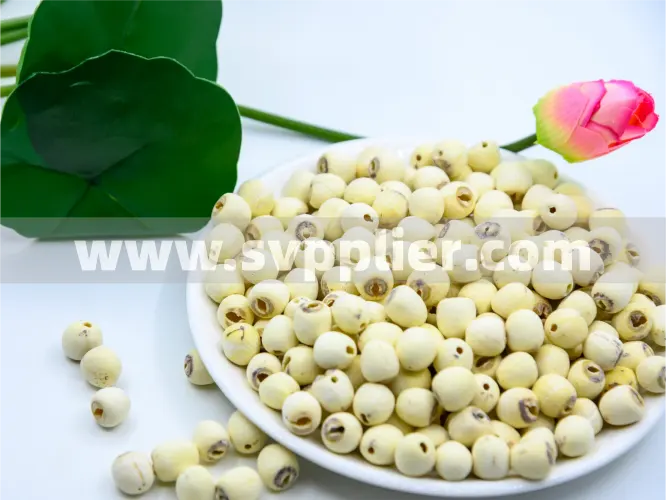
Lotus seeds aren’t just good nutrition; they are also recognized for their therapeutic potential. For centuries, these therapeutic seeds have been prized in folk medicine for everything from chronic pain to stress relief. The seed-lotus, cultivated mostly in China, is both a key economic crop and a source of high antioxidant content. Although they come from a plant, lotus seeds’ extended shelf life in nature and resistance to boiling heat make them an exceptional plant food. Their proteins like HSP80 and PIMT1 remain structured and functioning even in extreme heat, which is uncommon in most plant seeds. Now, lotus seeds are proving their worth in food science as well, with fresh seeds being treated to slow spoilage and preserve starch content, making them a seasonal snack for summer in many regions.
Anti-inflammatory Action
Lotus seeds contain natural compounds known to fight inflammation, such as flavonoids and alkaloids. These compounds assist in slowing or blocking the mechanisms that cause inflammation and pain. Research indicates that consuming lotus seeds can reduce levels of some inflammatory mediators. This is important because persistent inflammation is connected to numerous chronic diseases such as heart disease and arthritis.
The anti-inflammatory properties of lotus seeds boost immunity. By pacifying hyperactive immune activity, lotus seeds keep the body centered. Incorporating lotus seeds into meals as a functional food can assist individuals seeking daily lifestyle approaches to maintain inflammation levels.
Cognitive Support
Research shows lotus seeds can back your brain. They contain antioxidants that can protect brain cells from injury, assisting in memory and concentration. There are research indications that lotus seeds have neuroprotective properties, meaning that they protect against toxins or other factors that damage nerve cells.
Plant-based compounds in lotus seeds can potentially reduce the pace of cognitive aging. Making lotus seeds a staple in your diet may be a useful move for anyone interested in maintaining clear, sharp cognition.
Urinary Tract
Lotus seeds were used as a traditional medicine for urinary tract issues. They provide mild diuretic effects, which can assist the body in flushing out additional water and waste. This facilitates healthy kidney function and keeps the urinary system humming.
Their power to assist the body in hydrating and maintaining a steady stream of urine further enhances their impact. Lotus seed as a natural aid for urinary comfort is prevalent in many cultures, especially during the summer months when fresh seeds are readily available.
A Deeper Nutritional Look
Lotus seeds provide a balanced combination of nutrients and bioactive compounds, rendering them a remarkable choice for individuals seeking to incorporate additional plant-based foods into their diets. Their nutritional composition explains why they are treasured in so many food traditions — delicious and supporting good health. With their high antioxidant content, lotus seeds help boost overall wellness.
| Nutrient | Per 100g (raw) |
| Energy | 89 kcal |
| Protein | 4.1 g |
| Fat | 0.5 g |
| Carbohydrates | 17.3 g |
| Fiber | 7.6 g |
| Calcium | 44 mg |
| Iron | 1.4 mg |
| Potassium | 367 mg |
| Magnesium | 56 mg |
| Phosphorus | 168 mg |
| Vitamin C | 0 mg |
| Folate | 104 mcg |
Led by their carbohydrate profile with a high-starch content, lotus seeds are an energizing source. This starch, molded by enzymes as the seed develops, lends lotus seeds their subtle sweet taste, particularly when fresh. In addition to starch, lotus seeds contain sugars such as sucrose, which contribute to their flavor and caloric output, making them a popular choice for weight loss.
Protein comes out as another powerhouse, with unique proteins like heat shock protein 80, protein l-isoleucine methyltransferase 1, and methionine synthase. These proteins remain stable under high heat, assisting the seeds to endure harsh storage and cooking. The seeds provide crucial amino acids that are required for body repair and growth, making them a beneficial protein source in plant-based diets, particularly as a therapeutic food.
Lotus seeds have an extremely low fat content and do possess some essential fatty acids. These fats, while minor in quantity, contribute to cell health and complement the seed’s nutrient profile, enhancing their therapeutic potential.
Bioactive compounds provide a deeper nutritional look. Among their flavonoids are mainly flavonoid C- and O-glycosides. These assist in combating cell damage, as do thermal-stable proteins like CuZn-SOD, which help get rid of destructive free radicals. These antioxidant properties can help your body combat stress or inflammation.
Lotus seeds’ unique traits extend to their long shelf life and ability to stay viable for centuries, unlike most plant foods. These traits, combined with their sweetness and nutritional value, make them a wise option for a healthy diet.
Lotus Seeds in Traditional Medicine
Lotus seeds, or Nelumbinis semen, have played a big part in traditional medicine for over 7,000 years. Used as food and medicine, these therapeutic seeds are valued in many cultures for their health benefits. They hold key chemical components like flavonoids, glycosides, phenolic compounds, and alkaloids. These give them a wide range of uses in both preventative and curative health care. Across Asia and beyond, lotus seeds have been a staple for many health needs, especially due to their high antioxidant content.
| Culture/Region | Traditional Use | Health Conditions Treated |
| Chinese | Herbal tea, soup, medicine | Diabetes, insomnia, fever, leprosy, memory loss, heart health |
| Indian (Ayurveda) | Powder, paste, decoction | Menorrhagia, fever, digestive issues, wound healing |
| Southeast Asia | Snack, porridge, herbal blends | Halitosis, diarrhea, viral infections, liver support |
| Middle East | Ingredient in desserts, medicine | Cardiovascular issues, fatigue, reproductive health |
Lotus seeds are associated with a lengthy list of medicinal uses. In Chinese medicine, they’re commonly used to combat sleep issues, enhance heart health, and increase memory. Research indicates that lotus seed extract has promising therapeutic potentials for diabetics as it can help regulate blood sugar levels. Some studies show that the seeds can combat tumors and assist the body in pain management. The seeds have a role in treating viral infections and protecting the liver. For instance, lotus plumule alkaloids can reduce acute liver injury in mice, making them valuable for immune support and stress relief.
Ayurvedic medicine regards lotus seeds highly. They’re taken for heavy menstrual bleeding, fever, and certain digestive issues. Their cooling properties make lotus seeds invaluable for fevers and calming agitated tissues. In Chinese and Ayurvedic traditions, lotus seeds are prized for assisting the brain. Extracts could improve memory and defend against neurodegeneration. Certain studies highlight their anti-fertility impacts in animals, with shrunk weight in reproductive organs being observed.
Understanding lotus seeds’ roles in various healing traditions can guide individuals in crafting their own health decisions. These therapeutic seeds demonstrate how functional foods can provide authentic nourishment for health.
Integrating Lotus Seeds Into Your Diet
Lotus seeds have played multiple parts in food and medicine for millennia. Very nutrient-rich, one cup (32 g) of dried seeds provides 106 calories, 4.93 grams of protein, 52.2 mg of calcium, 67.2 mg of magnesium, 200 mg of phosphorus, 438 mg of potassium, and 1.13 mg of iron. That makes them a powerhouse for anyone wanting to boost their protein, fiber, and mineral levels in meals. Research shows that the high antioxidant content of lotus seeds is associated with improved gut health, a reduced risk of heart disease, and assistance in weight loss. They’re well-known for their antioxidants, anti-inflammatory, and even anti-cancer properties.
It’s not just sweet dishes these seeds work in. These can be consumed raw, roasted, or even popped, each with their own distinct flavor and texture. Roasted lotus seeds create a lovely little crunchy, mild snack that’s easy to munch as-is or sprinkled with herbs. Popped seeds, just like popcorn, are light and can be salted or sweetened. This diversity makes lotus seeds incredibly versatile, suiting various dietary preferences and meal plans.
Lotus seeds are extremely versatile and mix well with many dishes. Due to their bland taste, they are suitable for both new and old recipes. You can toss them into salads for a crunch, stir them into soups for texture, or sprinkle on desserts for a nutritional boost. In most Asian cuisines, lotus seeds are boiled along with rice or stews, and ground into a powder to thicken sauces or form paste for desserts, showcasing their therapeutic potential.
- Top salads with roasted lotus seeds for added crunch
- Sprinkle whole seeds on soups or stews for added texture.
- Make breakfast porridge with cooked lotus seeds and fruit
- Use ground lotus seeds to thicken soups or sauces
- Toss popped lotus seeds with spices for a light snack.
- Mix lotus seed paste with puddings or cakes.
Experimenting with various types of lotus seeds can assist in discovering what aligns with your palate and requirements. Their nutrient combination, time-tested culinary and medicinal history, and convenience factor combine to make them a valuable addition to the contemporary, health-conscious diet, especially for those looking to incorporate more functional foods into their meals.
Potential Side Effects
Lotus seeds are both healthy and mild in taste, so it’s nice to know their potential side effects. When consumed in moderation, lotus seeds are generally safe. Troubles are uncommon with typical dietary use. Increased doses or extracts may cause difficulties.
Others could experience slight stomach discomfort if they consume a significant quantity of lotus seeds. It can manifest as bloating or a weighted sensation. The fiber in these seeds is good, but overdoing them all at once can really stress out your gut. Traditional use says moderation. Most people can consume a handful of lotus seeds, which is about 20 to 30 grams, with impunity, but any more than that can cause mild digestive distress.
There are a few rare cases of allergies or bad reactions, particularly with lotus seed extracts. Specifics are unknown as there is little research on this. A few individuals may experience side effects such as itching, rash, or mild swelling after consuming lotus seeds or extracts. If you’re allergic to foods or are on any regular medications, it is smart to consult with a physician before incorporating lotus seeds or their extracts into your diet.
Research on lotus seed extracts has shown some effects that need more study. A test on male rats found that high doses of lotus seed extracts led to a drop in the weight of their reproductive organs, hinting at possible anti-fertility effects. This result was seen with daily intake of 50, 100, and 200 mg per rat for 60 days. This does not directly transfer to humans, as it raises questions about high or long-term use. High doses used in some animal studies showed strong pain-relief effects, but the side effects of such doses in humans are not yet clear.
There isn’t enough research yet on the long-term effects of lotus seed extracts or supplements. There are studies indicating antioxidant and anti-inflammatory properties, but the complete safety profile is yet to be determined.
Checklist: Potential Side Effects and Considerations
- Digestive upset with large amounts
- Possible rare allergic reactions
- Unknown effects from long-term or high-dose use
- Possible anti-fertility effects (seen in animal studies)
- Interactions with medications not well studied
If you have health issues or take medications, consult your physician before consuming lotus seeds or extracts.
Conclusion
Lotus seeds add true value to any diet. They cram protein, fiber, and important minerals into each tiny seed. They are added to snacks, soups, and even sweets! You’ll see them popping up in local and online shops alike. They do well in a variety of recipes, from chilled salads to hot porridge. Folks from various cultures have leaned on them for years, not only for flavor but for consistent energy and health support. Though they are safe and eaten by the majority with ease, some individuals may experience mild side effects. Experiment with novel ways to sneak lotus seeds into your meals and feel how they complement your day. Be open to new foods that keep your meals fresh and balanced.
Frequently Asked Questions
What are the main health benefits of lotus seeds?
Lotus seeds benefits are loaded with antioxidants, and their high antioxidant content promotes heart health while regulating blood sugar levels. Renowned for their soothing properties, lotus seeds help encourage restful sleep.
Are lotus seeds good for weight management?
That’s right, lotus seeds help combat hunger and shed pounds due to their high protein content and low fat, making them an excellent healthy snack.
Can people with diabetes eat lotus seeds?
Lotus seeds, known for their low glycemic index, release sugar slowly, helping to stabilize blood sugar levels, making them a therapeutic food ideal for diabetics.
How are lotus seeds used in traditional medicine?
Lotus seeds, known for their therapeutic potential, are prized food items in traditional medicine to aid kidney health, digestion, and inflammation, offering a calming and restorative effect.
What nutrients do lotus seeds contain?
Lotus seeds are a source of protein, fiber, magnesium, potassium, and phosphorus, showcasing their high antioxidant content and therapeutic potentials.
Are there any side effects of eating lotus seeds?
Lotus seeds are safe to consume as therapeutic food, but eating large quantities may lead to digestive discomfort in certain individuals; therefore, always eat in moderation.
How can I add lotus seeds to my diet?
Lotus seeds, known for their high antioxidant content, are edible raw, roasted, or boiled, making them a nutritious food popular in soups, salads, desserts, and snacks globally.
Article author: Svpplier | Agriculture Supplier
Original source: https://www.svpplier.com/lotus-seeds-benefits/