
Lotus Seeds for Sale
- Food Grade, Seed Grade & Globally Export Certified
- Consistent Quality & Plump Texture
- Bulk Wholesale & OEM/ODM Available
Svpplier Lotus Seeds
Svpplier lotus seeds are sourced from China’s top lotus seed producing area, Xiangtan, where the fertile soil and suitable climate breed plump, tender and nutritious lotus seeds. We adopt traditional processing combined with modern technology, without sulfur fumigation, bleaching or any additives, ensuring the natural color and original taste. Our lotus seeds are widely used in food manufacturing, health supplements, catering and retail industries, suitable for global wholesale, export and customization needs.
Lotus Seeds Products We Supply
Find out the Lotus Seeds Products you need and feel free to click the bottom below to contact us.
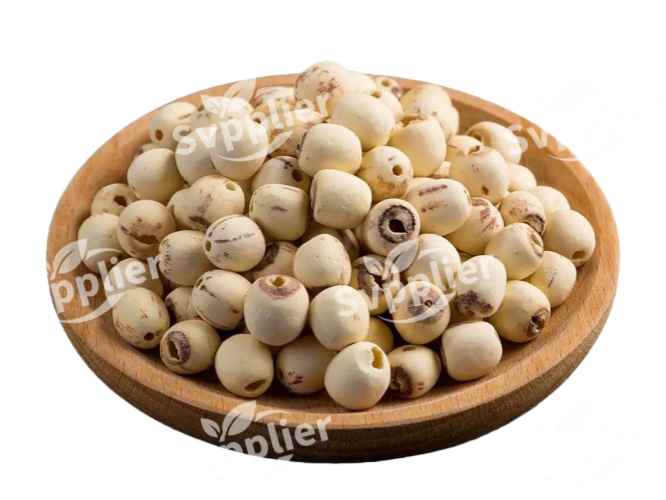
White Lotus Seeds
The most popular type, white color, plump grains, peeled and cored, no bitter taste. Easy to cook, soft and glutinous after boiling, suitable for desserts, porridges and food processing.
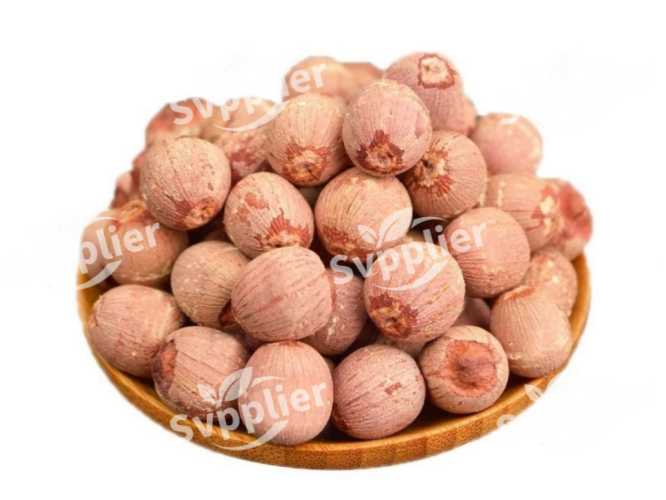
Red Lotus Seeds
Natural red skin, rich in nutrients, with a slight sweet taste. Can be supplied with or without core, suitable for health supplements, soups and traditional Asian cuisine.
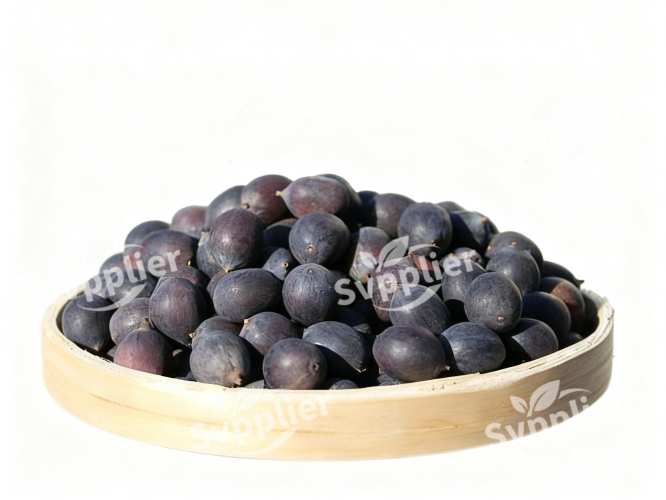
Black Lotus Seeds
Natural black shell, plump kernel inside, with original nutty flavor. Retaining the natural shell, it has better moisture-proof and fresh-keeping performance.
Dried Lotus Seeds
Dried Lotus Seeds includes whilte, red and black lotus seeds with shell.
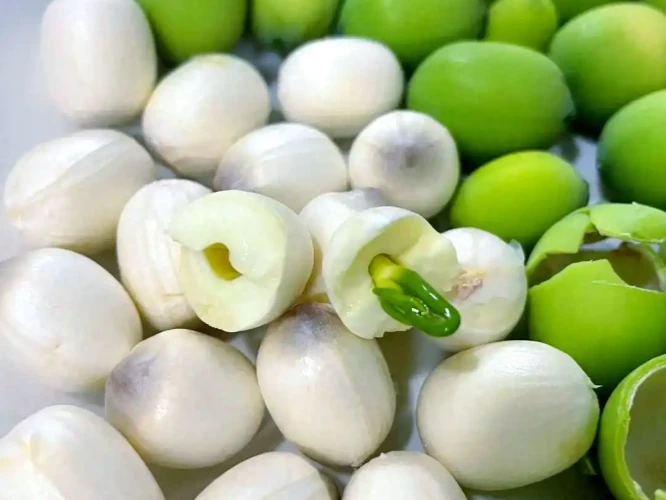
Raw Lotus Seeds
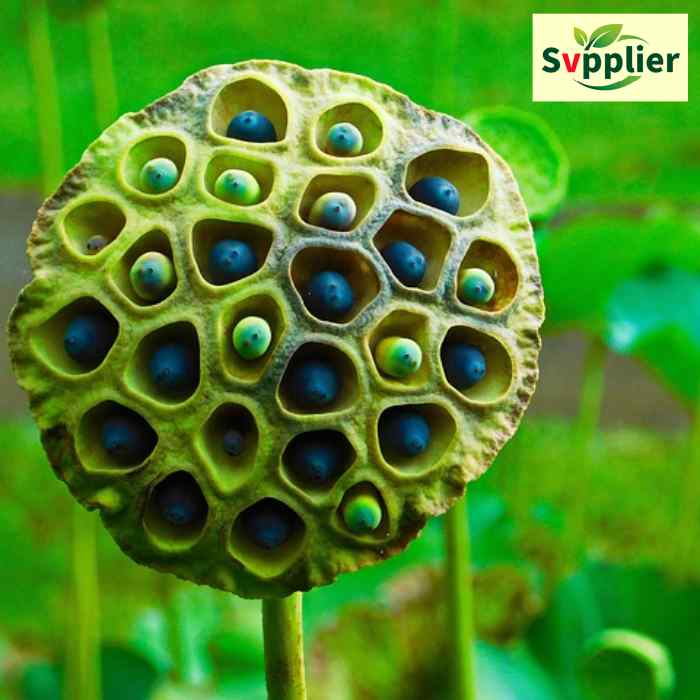
Fresh Lotus Seeds can be ate as fruits without cooking.
Svpplier Lotus Seeds Specifications
Find out the Lotus Seeds Products details you need and feel free to contact us for more information.
Item | Specification |
|---|---|
Size | 7mm-9mm, 8mm-10mm, 10mm-12mm |
Moisture | ≤13% (Dried Lotus Seeds) |
Impurity | ≤0.5% (General); ≤0.3% (Organic) |
Broken Ratio | ≤5% |
Shelf Life | 24 months (Stored in cool, dry place) |
Packing | 25kg/bag, 20kg/carton, 10kg/bag; Custom packaging available |
Color | Natural white (White Lotus); Natural red (Red Lotus) |
Taste | Soft, glutinous, slightly sweet (No bitter taste) |
Why Choose Svpplier Lotus Seeds
100% Natural
Easy to Cook
Consistent Quality
Factory Supply
Global Export
Stable Supply
Lotus Seeds Applications
Svpplier lotus seeds can be widely used in many areas.
Asian Desserts
Suitable for making lotus seed paste, lotus seed soup, red bean lotus seed dessert, bubble tea toppings, etc., popular in Asian restaurants and dessert shops.
Soups & Porridges
Added to chicken soup, pork rib soup, lotus seed lily porridge, eight-treasure porridge, etc., nutritious and delicious, suitable for family and catering use.
Vegan & Plant-Based Food
High in protein, low in fat and low in GI, suitable for vegan, vegetarian and health-conscious groups, can be made into vegan snacks and plant-based meals.
Health Food & Supplements
Rich in dietary fiber, vitamins and minerals, can be processed into lotus seed powder, lotus seed extract, capsules and other health products, with the effects of nourishing the heart and soothing the nerves.
Bakery & Drinks
Added to bread, cakes, mooncakes and other pastries, or made into lotus seed tea, smoothies, etc., enriching the taste and nutrition of products.
Svpplier Lotus Seeds Quality Control
Raw Material
Cleaning & Peeling
Manual Selection
Drying Process
Laboratory Testing
Shipment Inspection
Svpplier Lotus Seeds Packaging
Standard Packaging
25kg/bag (food-grade PP bag, inner vacuum packaging); 20kg/carton, 10kg/bag, 5kg/bag (customizable)
Custom Packaging
Support custom logo, size, material and printing content (e.g., retail small packaging, brand packaging), meeting your market sales needs.
Packaging Material
Food-grade, moisture-proof, anti-oxidation, ensuring the quality of lotus seeds during transportation and storage.
Svpplier
Questions & Answers
Svpplier Lotus Seeds FAQ
Are your lotus seeds sulfur-free and safe for export?
Yes, our lotus seeds are 100% sulfur-free, no bleaching, no additives. We have complete export certificates (HACCP, ISO, FDA, etc.) and test reports, ensuring they meet global food safety standards and can be exported smoothly.
Can I get a free sample to test the quality?
Yes, we provide free samples (500g-1kg), you only need to bear the shipping cost.
What’s your MOQ? Can I place a small trial order?
Our standard MOQ is 1kg, which supports small trial orders for new customers to test quality.
Can you do OEM/ODM and custom packaging?
Yes, we support OEM/ODM services and custom packaging (print your logo, specify size and material) to meet your personalized needs.
What’s your payment term?
Our common payment terms are T/T (30% deposit, 70% before shipment), L/C at sight.
What if the quality is not up to standard?
Our common payment terms are T/T (30% deposit, 70% before shipment), L/C at sight.
What are lotus seeds good for?
Lotus seeds are a popular nutritious food, rich in protein, fiber, and minerals. They are widely known for supporting digestion, helping with relaxation and better sleep, and boosting energy naturally. They are low in fat, vegan-friendly, and gentle on the stomach. People often use them in soups, desserts, porridges, and healthy snacks for daily wellness.
Can lotus be grown from seed?
Yes, lotus can definitely be grown from seed. Lotus seeds are able to sprout and grow into full lotus plants under the right water and temperature conditions. Many people grow lotus plants from seeds for ponds, gardens, ornamental purposes, and food production.
Why do Chinese eat lotus seeds?
Lotus seeds have been a traditional healthy food in China for thousands of years. They are believed to nourish the body, calm the mind, help improve sleep, and support digestion. In Chinese culture, lotus also symbolizes purity and good luck, so lotus seeds are often used in festivals, family meals, desserts, soups and daily wellness diets.
Is lotus seed good for diabetes?
Lotus seeds have a low glycemic index (low GI) and are rich in fiber and plant-based protein, which can help support stable blood sugar levels when eaten in moderation as part of a balanced diet. They are naturally low in sugar and fat. However, lotus seeds are not a medicine or treatment for diabetes. People with diabetes should enjoy them in reasonable portions and consult their healthcare provider for personalized advice.
Who should not eat lotus seeds?
In general, lotus seeds are safe for most people when eaten in normal amounts. However, people with constipation problems or those who are allergic to lotus seeds should avoid or limit consumption. As with any food, if you have specific health conditions or are taking medication, it’s best to consult a doctor or professional healthcare provider first.
Can you eat lotus seeds raw?
Fresh lotus seeds can be eaten raw, and they have a sweet, crisp taste. However, dried lotus seeds are not recommended to be eaten raw. They are very hard and difficult to digest. For safety and texture, dried lotus seeds should always be soaked in water first and then cooked thoroughly (boiled, stewed, or steamed) before eating.
Can I eat lotus seeds every day?
Yes, you can eat lotus seeds every day in moderate amounts. They are nutrient-dense, high in protein, fiber, and minerals, and support daily wellness for most people. A normal daily portion is about 20–50 grams. Eating too many at once may cause digestive discomfort, so stick to a reasonable amount as part of a balanced diet.