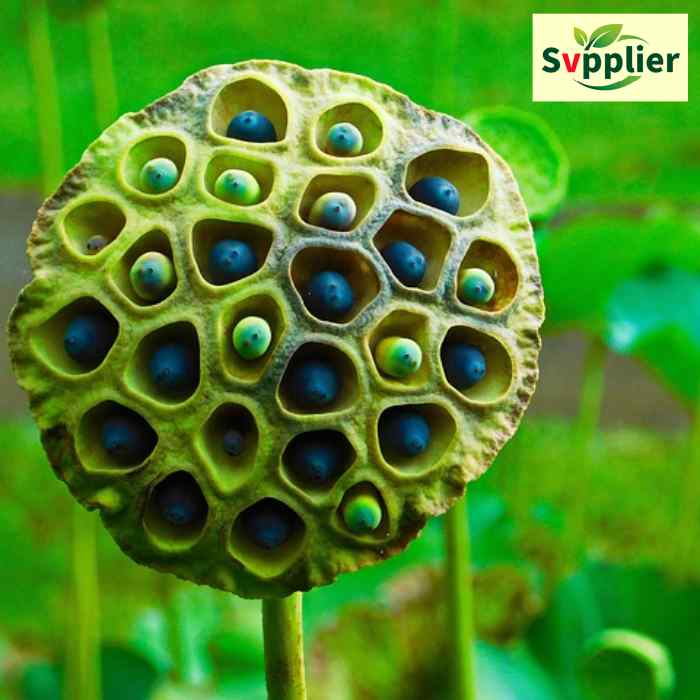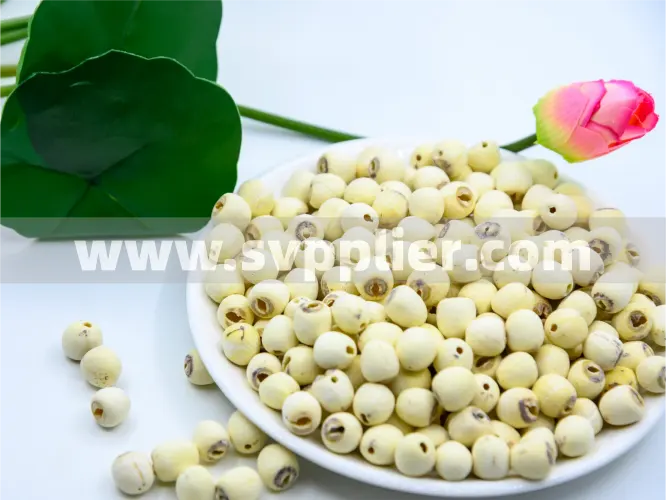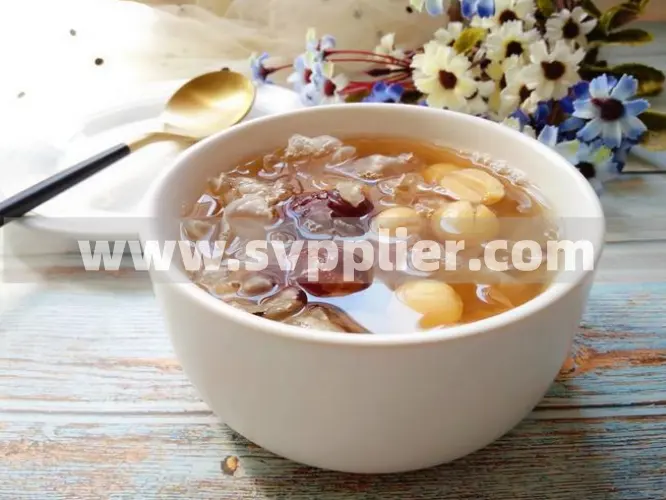
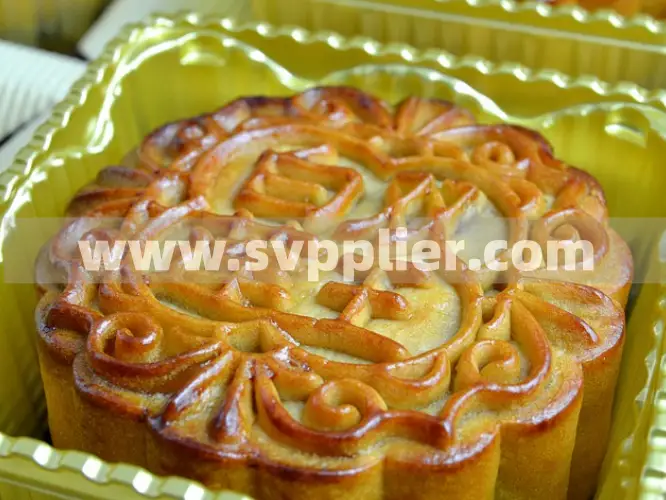
Lotus seed paste mooncake is a luscious pastry with a tender crust and rich lotus seed paste filling. A classic Mid-Autumn mooncake, the lotus seed paste variety features a smooth texture and a subtle, nutty flavor. Most varieties utilize white lotus seeds, ground and simmered with sugar and oil, then encased in a delicate baked pastry. Certain mooncakes contain salted egg yolks within, contributing a rich, savory taste. Lotus seed paste mooncakes vary in size and shape and are typically imprinted with patterns on the top. A number of bakeries and brands have both traditional and contemporary twists to cater to wide preferences. The bulk will discuss additional ingredients, preparation methods, and cultural connections.
The Soul of Mooncakes
Mooncakes are more than just delicacies; they embody the spirit of the Mid-Autumn Festival, one of the biggest holidays on the Chinese calendar. Their rich density, creamy lotus paste mooncake filling, and iconic salted egg yolk symbolize reunification, peace, and togetherness, cherished by families across the globe.
Cultural Symbolism
Mooncakes mimic the form of the full moon, which symbolizes reunion and wholeness in numerous East Asian cultures. To share mooncakes is to wish for reunion and the bright future of the family. Lotus seeds, that quintessential mooncake filling, symbolize purity and longevity. Their silky, sweet paste speaks of hope and the desire for generations to flourish.
Gift-giving is at the heart of the festival. Gift mooncakes is a sign of respect and goodwill. So much more than mere food, for countless families, histories and values are conveyed in the form of mooncakes from parent to child. This humble gesture preserves a culture.
Historical Roots
Mooncakes are more than a thousand years old. In the Tang and Song dynasties, they served for court celebrations and folk rituals. In Ming time, mooncakes were associated with covert messages and revolts, like the legend of rebels concealing notes in the dessert.
Recipes have changed over time. Families tend to protect their own recipes, handing them down through the generations. It requires patience to make mooncakes from scratch, sometimes over the course of a few days. For most, it’s worth it when they sample a homemade mooncake, filling and all.
Regional Variations
They aren’t all alike. In southern China, Cantonese mooncakes have golden syrup dough and dense lotus seed paste with salted egg yolks nestled in the middle. Teochew mooncakes utilize flaky pastry and taro or mung bean fillings. Shanghai mooncakes use a shortcrust pastry that provides a crumbly, almost biscuit-like bite.
Local customs influence the appearance and flavor of mooncakes. Some areas prefer small mooncakes that weigh 50 to 60 grams, while others like them to be as large as 100 grams. With modern twists like snow skin mooncakes that feature soft, chilled rice flour wrappers and fruit or matcha flavored fillings, they are becoming increasingly popular at international parties.
How to Make Lotus Seed Paste Mooncake?
Mooncake making requires a few implements, time, and quality ingredients. Begin with lotus seed paste for the mooncake filling, then dough, mold, and bake. Every process molds the flavor and appearance of the lotus mooncakes.
1. Essential Ingredients
Lotus seed paste consists of 150g dried lotus seeds, 120g white granulated sugar, 80g neutral oil, and 1/2 tsp salt. These fundamentals are the essence of the stuffing. The best lotus seeds lend a nutty, fresh flavor and smooth texture.
Sugar sweetens and balances the natural flavors, with vegetable or peanut oil lending the paste a glossy, soft texture. Others rely on honey or maltose syrup for sweetness or substitute white beans for a lighter flavor. A drop of vanilla or a bit of pandan paste can give it a nice twist. Salt sharpens the flavors and makes the sweetness pop.
2. Paste Preparation
First, soak dried lotus seeds in water for a minimum of 4 hours, preferably overnight. Boil the seeds with water until soft, which may take an hour. Drain and then puree the seeds with sugar and salt. If your blender isn’t strong, sift or blend again to achieve a better texture.
Transfer the blended mixture to a pan. Add oil in quarters, mixing well after each addition. Over medium heat, stir and fold the paste for 30 to 45 minutes until it gets thick, shiny and stops sticking. Taste and add more sweetness if necessary. Allow the paste to cool and then store in the fridge or freezer in small portions for use at a later time.
3. Dough Crafting
Combine the flour, golden syrup, some oil, and lye water to create a dough for your mooncake recipe. Lye water provides mooncakes their iconic hue and pillowy nib. Allow the dough to rest for 30 to 60 minutes to loosen the gluten, making it easier to shape. Roll the dough thin yet sturdy enough to hold your lotus paste mooncake filling. You could press them into plain molds or wooden molds for different appearances.
4. Mooncake Assembly
Weigh both dough and filling for a nice dough to mooncake filling ratio. Roll out the dough into a circle, add the pure lotus seed paste in the middle, and evenly wrap it. Pinch to seal to prevent the filling from leaking. Place the mooncake with filling into a mold and press for neat patterns. Others paint a water brush and then add seeds or colored dough for additional detail.
5. Baking Process
Preheat the oven to 180°C. Arrange the formed mooncakes on a baking sheet, ensuring space in between each. Bake for 10 minutes, then remove and lightly brush with egg wash for shine. Return to the oven to bake for another 10 to 15 minutes until golden brown. Allow the lotus mooncakes to cool on a rack, then store in an airtight container at room temperature for a few days to enhance the flavors and texture.
White vs. Red Lotus Paste
White and red lotus paste are the main fillings for lotus mooncakes, specifically in the context of mooncake filling. Each type has its own unique flavor, consistency, and culinary tradition. The key distinction lies in their preparation methods. White lotus seed paste is made from dried lotus seeds that are stewed with sugar and vegetable oil, resulting in a smooth, sweet, and creamy texture. In contrast, red lotus paste is prepared using maltose syrup, which gives it a thicker consistency and a more complex flavor profile.
| Feature | White Lotus Paste | Red Lotus Paste |
| Color | Light, pale beige | Darker, reddish-brown |
| Flavor | Mild, sweet, less complex | Richer, hints of caramel, savory |
| Texture | Smooth, creamy | Slightly denser, grainy |
| Cultural Value | Seen as modern, lighter taste | Often viewed as more traditional |
White lotus paste is often chosen for its pure sweet flavor, making it a popular option in many mooncake recipes. It glides across the tongue and doesn’t overpower other flavors in the mooncake. Many bakeries use it for classic-style mooncakes, especially for those that include salted egg yolks or nuts. Its lighter color also adds to its visual appeal when sliced open.
On the other hand, red lotus paste, thanks to the maltose, is thicker and slightly grainy. This paste offers a more complex flavor and adds a savory note, making it a favorite in some of the more inventive, modern mooncake flavors. Some even describe its taste as a bit caramel-like. Traditionally, red lotus paste is the preferred choice in Chinese cuisine and is often considered the “genuine” style, especially in vintage recipes.
The paste you go with is about more than flavor. In others, red lotus paste is associated with heritage and tradition while white lotus paste is viewed as a contemporary variation. Folk who want to harken back to the old days tend to select red. Others who like a more mild bite choose white.
The Artisan’s Modern Challenge
Lotus seed paste mooncake bakers face a challenging task in the contemporary world. They must cling to ancient recipes and skills while embracing new flavors and health trends, such as using pure lotus seed paste and maltose, which influences how mooncake filling is crafted, marketed, and consumed globally.
Craftsmanship
Fine mooncake making requires expertise and care, especially when creating the lotus paste mooncake filling. The dough must be soft, yet not sticky, and the lotus seed paste should be smooth and free of graininess. Artisans use hand tools to mold and fill each cake, ensuring that the mooncake recipe is executed perfectly. Carving patterns on the crust is a manual process that demands meticulous attention to maintain the crispness of each design.
Others take it even further, etching intricate flowers, leaves and even animals onto the crust. They can display the artisan’s logo or commemorate an occasion. In certain locations, mooncakes are presented as gifts. Therefore, their appearance is as significant as the flavor.
Artisanry is a differentiator for a bakery. They see when a cake looks special and tastes special. Most bakers I know have learned it from family or a local class. Still others watch YouTube tutorials or baking forums for new tips.
Authenticity
Its secret was using authentic lotus seeds and traditional methods for making the paste. Other gems steam and hand-peel the seeds. This requires hours and delivers the appropriate flavor and creaminess.
Divides between those who crave the original taste and those hunting for less sugar or novel flavors, such as green tea or chocolate. Preserving the essence of the mooncake’s authenticity still counts. Real legitimacy ties the treat to its culture and tradition, and a lot of consumers seek this in selecting a mooncake.
They believe in brands that reveal their roots and wear their labels with integrity. Real goods are assumed to be better and more significant.
Sustainability
Green baking is all the rage. Some bakers use local lotus seeds or flour to reduce shipping. Others opt for vegetable oils instead of lard or recycled paper for boxes.
Preservative-free and extra-chemical-free mooncake making, on the other hand, is gaining traction. These moves assist both the earth and health-conscious consumers. Others provide support and training to help bakers go green.
A Sensory Experience
Lotus seed paste mooncakes are not merely a taste experience; they are also a visual delight. You literally see, smell, touch, and taste them, making every step of the mooncake recipe count. The appearance of a mooncake, especially with its round form and shiny skin, initially attracts people. With decorative frills imprinted into its crown, it makes a statement on every table. Hues vary from light golden brown to deep amber, occasionally featuring touches of red or green from flavorings, reflecting the artistry in creating mooncake filling.
Flavor Profile
The key taste comes from the lotus seed paste, which is prepared by soaking, boiling, and grinding dried lotus seeds to create a sweet and full-bodied flavor. Some makers enhance the lotus paste mooncake filling by incorporating ingredients like sugar, oil, or even lye water, which can alter the flavor’s intensity. Additionally, fillings such as salted egg yolks or nuts can further accentuate the taste of the lotus seed paste. Mondays with Mel, I’m hiding under a blanket, but these new mooncake flavors that blend in ingredients like matcha, black sesame, or fruit are refreshing the old favorite without losing its roots.
Texture
The texture of a mooncake is what truly defines the entire experience. The skin should be thin and pillowy, with just the right amount of chewiness. Inside, the lotus paste filling can be either silky or slightly gritty, depending on the preparation method. Cooking processes, such as baking or steaming, significantly impact the skin’s texture and how the lotus pastes settle within. Some mooncake enthusiasts prefer cakes with a coarser paste for a more solid bite, while others gravitate towards a silkier texture. The finest mooncakes achieve a balance of soft skin and a firm, yet moist filling, creating pure harmony in each bite.
Perfect Pairings
Like a sensory experience, pairing lotus seed paste mooncakes with a drink or other foods will enhance the entire moment. A lot of folks enjoy these Chinese pastries with tea, particularly oolong or jasmine, to balance the sweetness. When it comes to festivals, mooncakes are often paired with nuts, fruits, or even miniature savory bites to contrast the tones and textures. Other cultures love them with sake or coffee.
- Green tea: balances sweetness
- Oolong tea: brings out aroma
- Jasmine tea: highlights floral notes
- Black coffee: adds contrast
- Soy milk: mild and smooth
Nutritional Profile of Lotus Seed Mooncake
Lotus seed mooncake is a fusion of old and new. It is noted for its delicious flavor, velvety consistency, and distinct nutritional blend. The star ingredient, lotus seed paste, is a popular filling in festival goodies that are packed with energy. The nutrition profile of mooncake may surprise you.
Lotus seed paste does offer some nutritional benefits. Lotus seeds themselves are low in sodium and sugar, and when converted into paste, retain this characteristic. This mooncake provides a decent amount of protein for a dessert, which is decidedly uncommon among sweets. Fat is the primary macronutrient, most of it unsaturated. This makes lotus seed mooncake less sweet than many other baked goods, which will be a draw for those trying to avoid sugar. The sodium is low too, only 20 mg per 23 g slice, which is nice for those of us who are salt cautious.
The lotus seed mooncake is full of flavor and packs a high caloric punch. The equilibrium between decadence and nourishment is derived from its blend of carbs and fat, with a sprinkle of protein. Due to its high calorie and fat content, it is best eaten in small portions. For example, a half of a 0.25 mooncake is 190 calories, which is roughly equivalent to a small chocolate bar. It’s fibrous with minimal sugar, providing fast energy but not hunger lingering satisfaction. Its distinctive nutrition profile presents a choice for those craving a less sugary, less salty treat.
So, eat your mooncakes in moderation! A little slice weighing 23 grams goes a long way in giving you the taste without so many calories. With moderation, mooncake as a special indulgence in an otherwise healthy diet can help you tame both your craving and nutritional requirements. For social occasions, cutting the mooncake into small wedges allows more people to sample it and keeps the portions manageable.
Conclusion
Lotus seed paste mooncake is a traditional indulgence for us. The silky paste, subtle sweetness, and heady fragrance create a flavor that many recognize and adore. Both the white and red lotus pastes have their own flair, so there is something for everyone. New mooncake variations keep the dessert fresh and exciting, while the classics keep the very soul of the dish burning. Every bite delivers a blend of soft, sweet, and rich that just feels indulgent. If you are curious to give one a taste or try to make your own, let us get into it. Pass your discoveries or tales along to other food lovers.
Frequently Asked Questions
What is lotus seed paste mooncake?
Lotus seed paste mooncake is a traditional pastry filled with smooth, sweet lotus paste mooncake filling. Commonly eaten at the Mid-Autumn Festival, it is prized for its delicious taste and traditional symbolism.
How is lotus seed paste mooncake made?
The lotus seeds are soaked, cooked, and ground to a smooth paste, creating a delicious lotus mooncake filling. They sweeten the paste, sometimes blend it with vegetable oil, encase it in a thin dough, and bake it until golden.
What is the difference between white and red lotus paste?
White lotus seed paste, made from peeled lotus seeds, has a lighter color and a more delicate flavor, making it a popular choice for mooncake filling. In contrast, red lotus paste, created from unpeeled seeds or caramelized sugar, is darker and offers a more robust flavor.
Are lotus seed paste mooncakes healthy?
Lotus paste mooncakes, filled with pure lotus seed paste, contain protein, fiber, and some vitamins. However, they’re loaded with sugar and calories, making them best consumed as an occasional indulgence.
Why are lotus seed paste mooncakes popular during the Mid-Autumn Festival?
Lotus seed paste mooncakes, especially those filled with pure lotus seed paste, represent reunion and harmony. We typically share these Chinese pastries with family and friends during the Mid-Autumn Festival, celebrating unity and the full moon.
Can people with nut allergies eat lotus seed paste mooncakes?
Lotus seeds, often used in recipes for mooncake filling, are not nuts. Some mooncakes may contain nuts or be made in nut-containing facilities, so always verify ingredient lists.
How should lotus seed paste mooncakes be stored?
Keep lotus seed paste mooncakes in an airtight container at room temperature for up to one week. For extended freshness, refrigerate and enjoy within two weeks, ensuring a delightful homemade mooncake filling.
Article author: Svpplier | Agriculture Supplier
Original source: https://www.svpplier.com/what-is-lotus-seed-paste-mooncake/