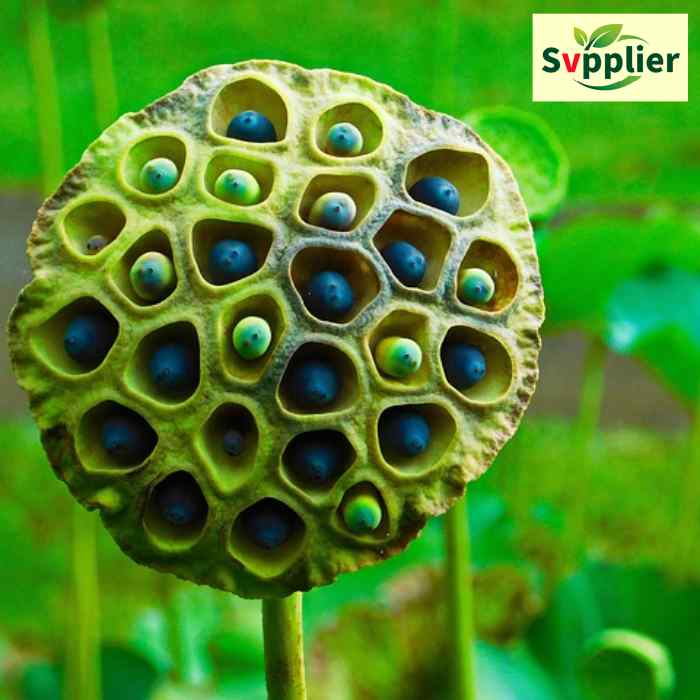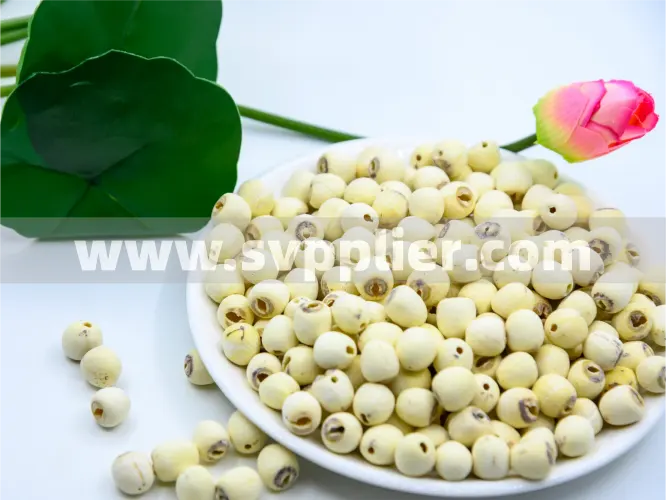
Types of lotus seeds consist of white lotus seeds, brown lotus seeds, and black lotus seeds. All of them possess distinctive characteristics and applications. White lotus seeds have the shell and skin removed, thus they are soft and mild in taste. Brown lotus seeds retain the thin brown skin, lending a firmer bite and earthy flavor, which is popular in traditional recipes. More rarely are black lotus seeds, which are natural, unaltered, and have a dark shell. They are often used for herbal applications. Both are from the Nelumbo nucifera plant, which is common throughout much of Asia and highly nutrient-dense. To illustrate how these seeds are utilized and to distinguish them, the following segments describe their characteristics and applications.
What Are the Types of Lotus Seeds?
Lotus seeds span a variety of types, defined by their color and processing, including shades of red and green pods. Each type brings its own special quality to the table, be it flavor, crunchy texture, or their role in a dish.
By Color
White lotus seeds are the most common type, harvested from mature lotus pods and known for their gentle, mildly sweet taste. These seeds, often used in ancient soups or pastries, particularly in Asian fare, are a crunchy snack that adds texture to dishes. Pink lotus seeds, while less common, have cultural significance and appear in traditional ceremonial offerings or as decorative toppings, lending understated flair to desserts. Rare black lotus seeds, famous for their dark color, are primarily used in haute cuisine where their dramatic appearance and purity shine, altering the view of a recipe with their flavor and beauty.
By Origin
- Asian lotus seeds primarily come from China and India, where the climate supports their growth. They are plump and soft once cooked and work perfectly in savory or sweet dishes.
- American lotus seeds originate in North America. They’re generally smaller and firmer, with a nutty flavor that’s great in snacks or salads.
- The area determines the seed’s consistency and taste. Soil, water, and temperature all play a role in the end result.
- Wetlands and freshwater lakes are optimal for lotus growth. Each region’s growing conditions impart slight variations in flavor and texture.
By Processing
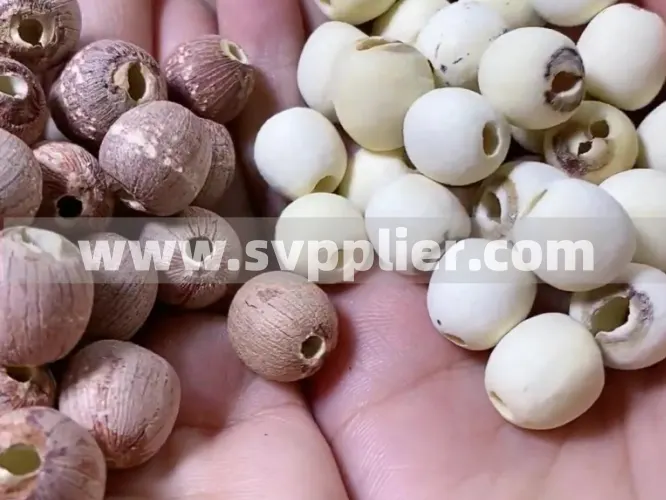
Dried lotus seeds are the most accessible. They are available as either brown peel or white, based on if the outer skin remains. Roasted lotus seeds are crunchy and flavorful, enjoyed as a snack. What are the varieties of lotus seeds?
They are crystallized lotus seedlings. These snacks are coated in sugar and enjoyed in desserts or as holiday delights. How a seed is processed alters not only taste but also how it is utilized in recipes. Raw seeds will be chewy and dried or roasted will be crunchy.
By Age
Mature lotus seeds, known for their crunchy texture, are hard and starchy, making them ideal for incorporation in slow-cooked dishes. In contrast, immature or young seeds have a fresh, sweet flavor and are great for quick dishes or eaten raw. Selecting the correct age is crucial for the recipe’s success, as age impacts not just flavor but also cooking time. Proper storage keeps them around longer.
By Cultivar
These lotus seeds are loaded with carbs and protein, making them a pure soul crunchy snack. Their calories are lower than many snack foods, which makes them a savvy pick for mindful munching. With their crunchy texture, lotus seeds provide dietary fiber, assisting with digestion and satiety, making them a great addition to meals for a quick nutrition boost.
Nutritional Differences
Lotus seeds, known for their crunchy texture and nutritional value, are appreciated globally for their health benefits. Their nutritional composition varies in terms of macro and micro nutrients depending on the seed type and seed part. A lot of folks are sprinkling these seeds into their diet for plant-based protein, healthy carbs, and special bioactive compounds you can’t find elsewhere in seeds or nuts.
Macronutrients
Protein is notable among lotus seeds, with certain types such as JY flesh containing as much as 34.37 mg/g. This makes it a plant-based muscle-health winner. Protein levels can vary considerably between the flesh and the plumule, and these differences are more than just numerical. They are statistically significant with a p-value less than 0.05.
Carbohydrate levels are also interesting. Seeds such as SD have the highest starch content, 493.01 mg per gram, and in most lotus plumules, the soluble sugar content is above 30%. These nutrients provide essential calories for energy, contributing to their appeal in health markets.
When it comes to fat content, lotus seeds are notably lower than many common nuts. The crude fat in most lotus seed flesh ranges from 1% to 2.5%, which is significantly less than almonds or cashews. This makes lotus seeds a much lighter crunchy snack in terms of fat.
This is where lotus seeds stand out from other seeds and nuts, with higher protein in some varieties, moderate carbs, and less fat. That makes them a handy choice for those who crave variety or have to keep fat intake in check.
Micronutrients
Lotus seeds have B vitamins and vitamin E, which aid in cell repair and immune function. Magnesium and potassium are abundantly available and are recognized to aid nerve and muscle function and blood pressure.
They’re rich in antioxidants, primarily phenolics. The total phenolic content is 10.77 plus or minus 0.66 milligrams GAE per gram fresh weight and the total flavonoid content is 1.61 plus or minus 0.03 milligrams QE per gram fresh weight. These help the body combat cell damage.
Lotus plumule, in particular, had an antioxidant strength of more than 80% for DPPH radical scavenging ability. Phytochemicals in lotus seeds are thought to help lower oxidative stress, an element in numerous illnesses.
Bioactive Compounds
Lotus seeds contain alkaloids which are currently researched for their calming and anti-inflammatory behaviors. These compounds can support a healthy heart and can even help unwind the nerves.
Flavonoids are found in significant quantities. They assist in blocking cell damage and might even help reduce the risk of chronic diseases. Some studies connect them to improved heart and vascular health.
The medicinal potential of lotus seeds remains under study. Early results are encouraging, particularly considering their traditional medicinal use for heart and brain function.
Culinary and Traditional Uses
Lotus seeds are a common ingredient in desserts, such as mooncakes, milk puddings, and rice-based sweets. They are used in snacks and sweets in India. In China, lotus seeds frequently make their way into soups and congee for a dose of protein and subtle flavor.
For savory fare, they can be thrown into stews, stir-fries, or even milled into flour for a gluten free alternative. They’re mild, so they absorb other flavors easily and they’re starchy potatoes, which maintain their firmness in slow-cooked meals.
Lotus seeds are steeped in teas, frequently in traditional medicine, for their calming properties and support of sleep. A lot of the world’s recipes incorporate lotus seeds to boost nutrition without altering the flavor too much.
Global Culinary Uses
Lotus seeds, often regarded as a crunchy snack, are a staple of international cuisine, particularly throughout Asia and beyond. They appear in sweet and savory dishes around the world, prized for their subtle flavor and crunchy texture. Their use in traditional medicine and as a health food adds another aspect to their allure. Across the world, from China to Colombia, different cultures have incorporated lotus seeds into their everyday offerings and snacks.
Sweet Dishes
Lotus seeds are frequently found in desserts. Mooncakes, for example, a traditional Chinese delicacy consumed during the Mid-Autumn Festival, almost invariably contain lotus seed paste. This paste is silky, not overly sweet and thick, imparting mooncakes with their iconic profile. In Japan, lotus seed paste can be found in wagashi, a collection of traditional sweets served with tea.
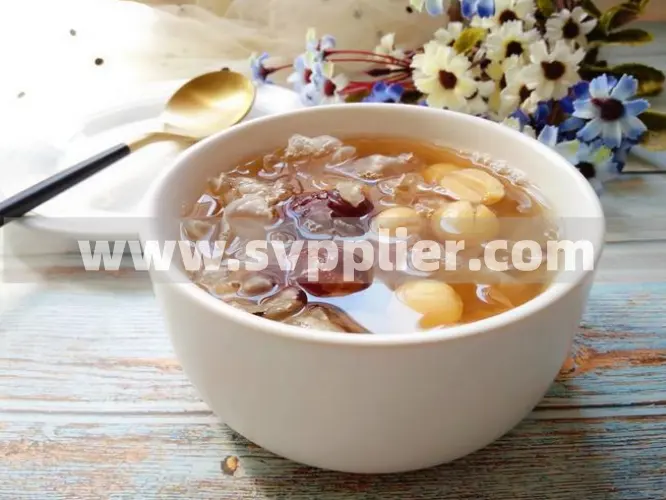
The seeds can be cooked whole for puddings or sweet soups as well. Vietnamese chè hạt sen is a sweet dessert soup featuring soft lotus seeds in a thin, sugary broth. Their soft, almost creamy texture pairs well with other flavor profiles like jujube or longan. As far north as Barranquilla and Cartagena in Colombia, where the seeds are incorporated into local sweets, lotus seeds have gone global.
Lotus seeds have found their way into innovative recipes such as ice cream, tarts, and even granola bars. Their subtle taste allows them to either meld in or make a statement depending on the application.
Savory Dishes
Soups and stews are great with lotus seeds. In Chinese cuisine, they are dropped into slowly simmering herbal broths or chicken soups. The seeds absorb the taste and yet remain slightly crunchy. A number of chefs utilize dried and puffed lotus seeds, called makhana, for a nutty note.
Globally, lotus seeds are tossed into salads, used as croutons, or sprinkled on congee. Their neutral flavor goes great with spices such as chaat masala, furikake, or even cocoa powder. Indian kitchens have masala makhana, where lotus seeds are roasted with spices like Baharat or Togarashi, adding crunch and nutrition.
Regional dishes vary in use. In Korea, lotus seeds are occasionally added to rice. Throughout Southeast Asia, they flavor both humble and celebratory dishes.
Medicinal Teas
In Asia, lotus seed tea is a staple in both its traditional medicine and everyday wellness regimens. Steeping dried lotus seeds along with herbs like chrysanthemum or goji berry is common for calming effects. These teas are purported to aid with sleep and stress, which makes them popular among health-conscious diets.
Recipes for lotus seed tea are easy. The seeds are boiled with water and occasionally combined with ginger or licorice root for additional properties. The light, soft tea is usually served hot, especially in the cooler months. In Chinese medicine, lotus seeds are thought to nourish the heart and kidneys.
Lotus seed teas are available at specialty shops or can be brewed from dried seeds at home. Here’s to their continued foothold in both the culinary and wellness worlds.
From Pond to Pantry
They originate from a plant that grows in wetland habitats, thriving in full sunlight and at water depths ranging from 30 centimeters to 1.8 meters. The ideal soil type is heavy clay or silty, which retains nutrients and roots securely. A water-soluble fertilizer with a ratio of 10-14-8 provides balanced nutrition for optimal growth. Lotus seeds, known for their crunchy texture, take one to four weeks to sprout, with some varieties taking even longer. Purified water and soil help keep illness and insects at bay. Most home gardeners opt for large pots, at least 60 centimeters deep, to manage growth effectively. The plant may only leaf in the first season while establishing tubers, but certain seeds can survive for centuries, resuming germination after a few hundred or even a thousand years if favorable conditions return.
Cultivation
For mature lotus seeds, harvested pods are collected when they brown and begin to dry before cracking open. Pickers employ sharp scissors or garden shears to snip the pods from the vine. Hand-picking for small enterprises and large ponds utilizes nets or custom scoops. Seeds are carefully removed from the pods to prevent cracking the shell, ensuring that the crunchy texture remains intact. Proper timing makes the seeds most delicious and nutritious, as harvesting too early results in soft seeds, while waiting too late causes the pods to drop seeds into the water or rot.
Harvesting
Drying begins with spreading seeds in a single layer, away from direct sunlight, to avoid mold. Others employ low heat to accelerate drying. Once dry, seeds are stored in airtight jars or bags. Roasting makes the seeds a crunchy snack and develops a nutty flavor. This is prepared in a pan or oven at low to medium temperature. Proper processing translates into less nutrient depletion and a tastier product, ensuring high amounts of flavor. Commercial seeds come in vacuum packs or sealed pouches to protect them from air and moisture.
Processing
Lotus seeds, with their delicate, sweet flavor and nutty undertones, are a versatile crunchy snack that can be crispy when roasted or chewy when boiled. Their slight aroma enhances their allure in various dishes, making them a beloved offering in both sweet and savory markets, showcasing their unique qualities and crunchy texture.
The Sensory Experience
Lotus seeds, plucked from the cone-like lotus heads, provide a sensory experience of their own relative to the variety, preparation, and pairing. These seeds, encased in beautiful, showy flowers measuring as wide as 35 centimeters across, have tantalized chefs around the globe for centuries due to their crunchy texture and versatility.
Taste
The Sensory Experience
Dried lotus seeds are prized for their crisp bite, hence their fad among health-conscious snack lovers. The crunch is gentle and not too firm, perfect for those who like a little punch to subtle tastes. Once cooked, lotus seeds are soft and creamy, soak in the flavor of broths but maintain a mild, nutty flavor that harmonizes with sweet or savory ingredients. This texture-to-texture transition from crunchy to creamy adds a new dimension to recipes and keeps every bite different. It is this contrast that particularly shines when lotus seeds find themselves in the company of tender ingredients like tofu or crunchy vegetables, where their crunchiness or softness can change the entire mouthfeel of a plate.
Texture
Lotus seeds have a subtle fragrance that’s easy to overlook and is important in cooking. In teas, this gentle fragrance relaxes and complements other subtle flavors such as jasmine or green tea to produce a harmonious brew that comforts. The smell can enhance the eating experience, particularly in less spicy dishes. For many, this crunchy snack is what actually attracts them to lotus products, priming them for a nice, fresh, light taste that doesn’t overwhelm the other ingredients. Just the smell is enough to entice lotus seed snacks, particularly for those who appreciate the earthy hints in their green pods.
Aroma
The pith, the tiny green shoot that grows inside mature lotus seeds, is considered a medicinal herb in many cultures. Folklore typically refers to its sedative properties, while recent research has started to back up some of this, discovering antioxidants and bioactives in the pith that could promote cardiovascular and cognitive health. Cooks are now incorporating lotus seed pith not only in teas but also in innovative dishes such as energy bars and wellness desserts, making it a popular choice in health markets. Using pith as a culinary ingredient may open up additional inventive and healthy choices to health-minded buyers.
The Underappreciated Pith
The underappreciated pith of the lotus seed is a symbol of purity and longevity. In ancient cultures throughout Asia and elsewhere, lotus seeds represented not just spiritual development but also the values of endurance and soul force. The pith itself, located at the core of the seed, was employed in rites and ceremonies, connecting to notions of reincarnation and the circle of life. Lotus crops feature in many myths, highlighting their place in both legend and tradition.
Traditional Beliefs
As recent research points out, lotus seed pith brims with antioxidant and anti-inflammatory phytonutrients. Scientists discovered that the pith’s phenolic acids and flavonoids help battle cell damage. There is some evidence these compounds could have immune benefits and inhibit the proliferation of rogue cells.
Things like alkaloids and proteins like heat shock protein 80 provide the pith with its heat-stable properties and may come with additional wellness perks. As modern science presses on, it’s great to see these properties corroborate the pith’s traditional application of settling the mind and assisting with sleep. Current studies are examining how these perks might carry over to the clinic.
Modern Research
Lotus seed pith has found its way into a few new applications with chefs and home cooks alike. Some employ it to impart a subtle, slightly bitter flavor to broths or teas. Others pulverize the pith into desserts or drinks, where it adds nuance and body.
There are now recipes that combine pith with chocolate, or fruit, or even in savory fillings. The pith does great in both sweet and savory dishes. With interest booming, the market for pith-based snacks and supplements is on the rise, presenting genuine opportunity for food makers and wellness brands.
Culinary Potential
Lotus seeds come in three main types: seed-lotus, flower-lotus, and rhizome-lotus. Both have their own distinct flavor and culinary uses worldwide. Seeds are prized for their longevity, as some have germinated after 1,300 years.
Nibbling on lotus seeds provides the diet with protein, starch, and important compounds. These nutrients have validated health benefits. Sustainability counts. Sustainable farming keeps lotus seeds available to future chefs, and seasonal harvesting from late summer to fall maintains quality.
Conclusion
Lotus seeds appear in all sorts of foods and provide genuine worth. White and brown seeds are both mild tasting and soft, but each offers its own application. They’re consumed boiled, roasted, or ground. You come across lotus seeds in teas, soups, and even sweets globally. It’s their nutty fragrance and tender chew that differentiates them. The pith, which we usually discard, gives a refreshing taste and health boost. Harvesting lotus seeds for meals or snacks provides more than just taste. You end up with a snack that crosses many diet types and delivers genuine nutritional value. If you’re trying new ways to eat well, stock lotus seeds in your pantry and you’ll discover what you prefer most.
Frequently Asked Questions
What are the main types of lotus seeds?
There are two main types of lotus seeds: white and black. The white lotus seeds, which are shelled and de-skinned, offer a crunchy texture, while the black seeds retain their skin, showcasing their unique form and taste.
Are lotus seeds nutritious?
Indeed, lotus seeds are a crunchy snack that are very nutritious! They provide a decent amount of protein, fiber, and minerals like magnesium, potassium, and phosphorus, making them a pure soul of healthy eating.
How are lotus seeds used in global cuisines?
Lotus seeds, with their crunchy texture, seem to find their way into dishes around the world. They’re boiled, roasted, or even ground into flour. In Asia, they’re consumed in soups, desserts, and teas, making them a versatile ingredient in both sweet and savory recipes.
What does a lotus seed taste like?
Lotus seeds, with their nut-like flavor and crunchy texture when roasted, are a versatile ingredient in many meals and snacks, making them a beloved choice in markets for their mild and slightly sweet taste.
What is the pith in lotus seeds, and can it be eaten?
The pith is that tiny, green core within the seed itself, often overlooked as a crunchy snack due to its bitterness, yet some cultures value it for herbal teas, showcasing its pure soul and medicinal properties.
How are lotus seeds harvested and processed?
Lotus seeds, a crunchy snack harvested from mature lotus pods, are processed differently depending on the region and culinary intentions, showcasing the beautiful eyes of their pure soul.
Are lotus seeds suitable for people with food allergies?
Indeed, lotus seeds, with their crunchy texture and pure soul, are typically hypoallergenic and free of gluten. They are suitable for people with the usual food allergies, but it’s always nice to ask a healthcare pro if you’re worried.
Article author: Svpplier | Agriculture Supplier
Original source: https://www.svpplier.com/types-of-lotus-seeds/