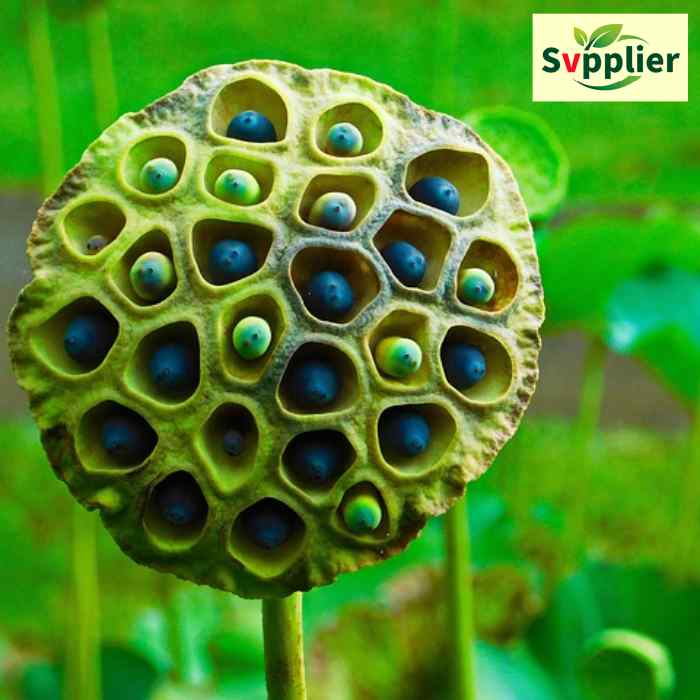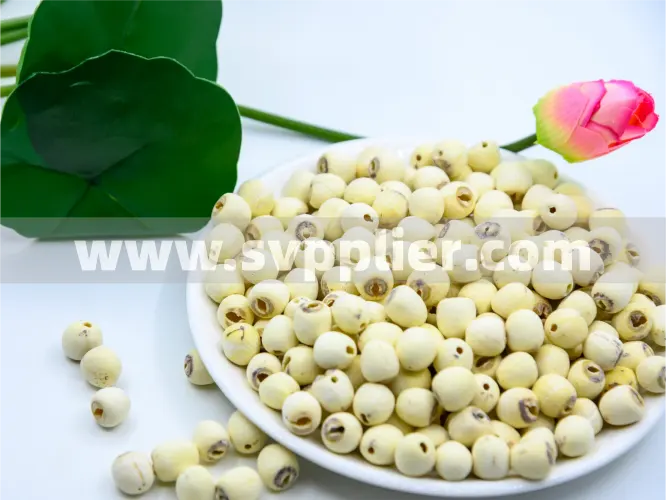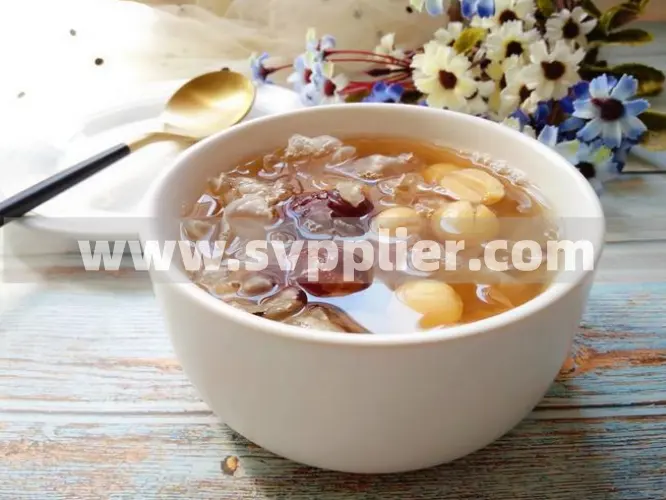
To fertilize lotus, apply a slow-release aquatic fertilizer near the roots in the growing season. Lotus require consistent fertilization, particularly during their active growth period from spring through late summer, in order to develop strong leaves and vibrant flowers. Select tablets or granules designed for pond plants, as they dissolve over time and reduce the danger of root burn. Feed every three to four weeks, as most lotus are happy with this little routine. Never use ordinary garden fertilizers; these can disrupt water balance and damage the plant. Clean water is good, but the right nutrients at the right time really make a difference in growth and blooms. Below are the tips on how to fertilize lotus.
The Art of Fertilizing Lotus
Fertilizing is an essential component to forcing lotus plants, including both standard lotus and dwarf lotus, to flourish, ensuring they grow powerful and vibrant blooms. Lotus, as with most aquatic plants, requires a consistent nutrient intake, especially when grown in containers like lotus pots or pond liners.
1. Select the Fertilizer
Select a fertilizer with nitrogen, phosphorus, and potassium to support the growth of your lotus plant, including its aerial leaves, roots, and flowers. For lotus in a water garden, aquatic fertilizers work great. Slow-release tablets, like Osmocote, provide even feeding and are less likely to give a shock, especially for young lotus tubers.
2. Calculate the Dosage
See how much aquatic fertilizer tablets your lotus requires based on the size of your lotus container or pond. As a general rule, the ratio is one tablet, around 5 grams, to 4 liters of soil. Young plants require less; a half tablet per 4 liters does the trick. Record the dose in a chart with dates and amounts to prevent errors and overfeeding.
3. Prepare the Tablets
Click to read the label before you buy. Some tablets for aquatic plants, like lotus tubers, have to be divided for smaller containers. Distribute pieces evenly, pressing them into the soil or setting them in the water garden at intervals. If you have tablets remaining, store them in a sealed bag in a cool, dry place.
4. Apply with Care
Fertilize early or late in the day to reduce stress on the lotus plant. Plant the aquatic fertilizer tablets all around the base of the lotus tuber, ensuring they never touch the leaves. Follow up with water immediately, which encourages the nutrients to flow into the soil, especially if your lotus is in a water garden.
5. Observe and Adjust
Inspect your lotus plant on a weekly basis, especially if you’re growing it in a water garden. Yellow leaves or weak blooms could indicate it’s time to revise your plan. Take notes on how your lotus tuber responds after feeding.
Choose Your Lotus Fertilizer
Lotus plants require the appropriate fertilizer, such as aquatic fertilizer tablets, to flourish, flower abundantly, and remain in optimal health. Selecting the right type and form can aid in aligning the plant’s requirements with your water garden conditions and maintenance habits.
| Fertilizer Form | Benefits | Ideal Uses |
| Granules | Long-lasting, easy to spread, good for soil pots | Pots, large ponds |
| Tablets | Targeted, easy to dose, less waste | Container-grown lotus, small water gardens |
| Liquids | Fast-acting, easy to mix, quick absorption | Active growth, foliar feeding |
Nutrient Ratios
The N-P-K (nitrogen-phosphorus-potassium) ratio on a label indicates which nutrients are most present for the lotus plant. Lotus require different nutrients as they mature, especially when grown in a water garden. Early spring, once new shoots have begun to emerge, apply a slow-release fertilizer containing a little more nitrogen, such as 20-10-20, to promote lush foliage growth and robust leaves. Once flower buds begin to appear, roughly 2 to 3 weeks before bloom, switch to a low-nitrogen, high-phosphorus, and potassium fertilizer, like 10-20-20 or 5-10-10, to promote blossoms. Potassium fights disease and strengthens roots. Begin with half the suggested rate, typically 1/2 teaspoon per 19 liters of water, to prevent scalding fresh shoots. Step up to 1 teaspoon as the plant grows, then cut back to 1/2 teaspoon in late July and discontinue in early August so the plant can store nutrients for the following season.
Fertilizer Forms
Slow-release forms such as tablets or granules are ideal for steady feeding and reduced risk of over-fertilizing your lotus plant. They thrive in wide containers or large ponds, decreasing your fertilizer application frequency. Liquid fertilizers work rapidly and are excellent during peak growth or when you need quick action, but require more regular application. Granules are easy to blend into the soil and deliver extended advantages, particularly in bigger pots like lotus containers. Experiment with different types to discover what best suits your lotus tubers and environment, as certain types react better to spot feeding, such as highland rim tablets in small water gardens.
Organic vs. Synthetic
- Do’s: Use organic options like compost or fish emulsion for steady, gentle feeding. Rotate with bloom-promoting chemical fertilizers for the best effect. Observe dosage directions carefully.
- Don’ts: Avoid over-applying synthetic fertilizers to prevent nutrient runoff. Don’t cheat local laws on water safety and fertilizer use. Synthetic fertilizers act quickly and provide an immediate nutrient hit, but require cautious applications to prevent burns or salt buildup. Organic types decompose slower, enhance soil composition, and promote sustained vitality, but might not show immediate effects. Both options are fine for lotus. Think about your objectives, plant requirements, and eco footprint.
When to Fertilize Lotus
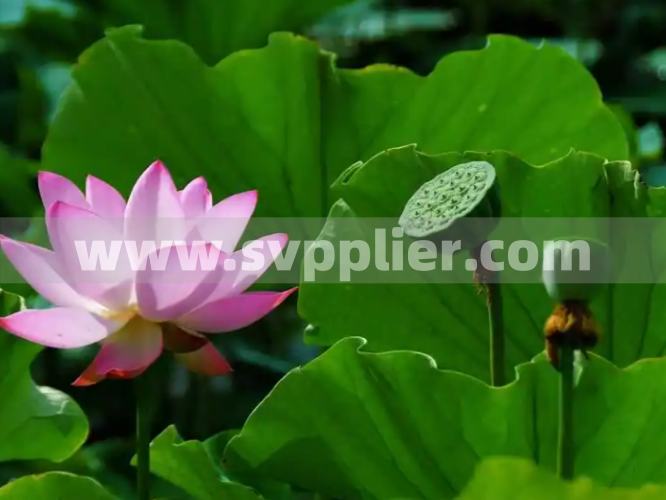
Lotus plants, particularly in a water garden, experience unique growth periods. Fertilizer timing should align with these cycles to support healthy aerial leaves, roots, and blooms, ensuring the entire lotus container thrives in any season.
Early Spring Growth
Fertilizing begins in early spring as lotus shoots pierce the surface of the water garden. New growth means the lotus plant is waking up and ready to absorb nutrients. At this point, a balanced fertilizer does best, especially when using aquatic fertilizer tablets. It helps with root growth as well as leaf development. Some gardeners will wait for two or three aerial leaves, fertilizing when floating leaves begin to yellow, which indicates that the plant is tapping its reserves and requires fertilizing.
Check water temperature prior to feeding, as lotus tubers absorb nutrients better when the water temperature is above 15°C. If it’s colder, fertilizer can go unused. Scale back how much you use depending on the tuber’s size and age. Little tubers require little, while older ones take more. Others insert fertilizer spikes or wrap granules in a paper towel and shove it into the dirt. These applications assist nutrients in reaching the roots without muddying the water.
Active Summer Season
During the summer, as your lotus plant thrives, it’s essential to fertilize more frequently since this is their primary growth period. The plants utilize nutrients for developing big leaves and vibrant blooms. Many enthusiasts recommend a fertilizer higher in phosphorus, which promotes more blooms and richer colors. Ensure you water thoroughly to allow nutrients to disperse effectively, but avoid overwatering to maintain a healthy water garden environment.
Observe your lotus for signals. Good plants exhibit consistent leaf and flower development. If leaves fade or flower production declines, it may be time to fertilize again. Other growers say they’ve done well with nothing more than pond water, full of organic goodness, rather than fertilizer. Some see their lotus flourish with no or minimal fertilizer added for years. Most do well with regular feeding in summer.
Late Season Care
As the days get shorter, begin to reduce fertilizing. Lotus slows growth as it prepares for dormancy. In autumn, quit feeding so the plant can utilize residual soil nutrients. This prevents rot and keeps tubers vigorous over winter. Strip away old or rotting leaves to ward off disease and conserve nutrients for the roots.
For colder areas, winter fertilizing is a no-go. Lotus doesn’t require additional nourishment while dormant. If the plant looks weak toward the end of the season, a final small dose will help harden off tubers for the following year.
Fertilizing in Ponds vs. Pots
Lotus care varies depending on whether the plants grow in water gardens or containers. Methods differ for lotus pots and open ponds primarily due to water management and nutrient dynamics, as well as the need for proper soil and adequate sunlight for healthy growth.
Contained Systems
Lotus in pots have special requirements, particularly regarding the soil mix. It’s essential to select a mix formulated for aquatic plants, ensuring it can hold nutrients while keeping the water clean. About 4 inches (10 cm) of soil works best, providing roots room to spread out without allowing too much soil to weigh down the pot. Water should always stand over the soil, about 2 to 4 inches (5 to 10 cm), allowing the roots of the lotus tuber to remain wet. In larger containers, 60 centimeters or more across, lotus grow bigger and bloom more vibrantly. For eye-catching displays, pots up to 90 to 150 centimeters across perform well, while a dwarf lotus can thrive even in tiny pots.
Fertilizer tablets are particularly effective in lotus containers. Insert them directly into the soil, near the plant’s roots, to deliver nutrients where they are needed most, minimizing waste or runoff. Controlled-release tablets are optimal as they dissolve gradually, providing a consistent nutrient supply as the lotus matures. Always ensure that your pots have drainage holes. This prevents water and fertilizer from accumulating, which can lead to root rot or damage to the lotus plant.
Inspect your lotus every few weeks. If new aerial leaves appear pale or growth is slow, it may indicate that more fertilizer is necessary or that your plant has become pot-bound. Moving the lotus to a larger pot is easiest in the spring when new growth commences. As autumn approaches, discontinue fertilizing to allow your plant to consume what is left and prepare for winter dormancy.
Open Water Systems
Open ponds require another method for maintaining balance in a water garden. Fertilizing in ponds versus pots can be tricky; putting fertilizer directly into the water may lead to algae blooms that harm koi and other life. Instead, utilize slow-release products specifically designed for ponds. These products dissolve gradually, ensuring that nutrients do not overwhelm the entire pond at once. It’s essential to monitor the water quality and the fish for signs of stress to indicate nutrient imbalances.
Watch the entire pond closely. Regular water testing is crucial, and attention should be given to all living things, not just your lotus tubers. Fertilize based on the pond’s reaction rather than a set schedule. While tall lotus types can tolerate deeper water, they require more energy to rise. In cooler locations or early spring, shallower waters help the lotus thrive, particularly for dwarf lotus varieties that prefer depths of 5 to 30 centimeters.
Reading Your Lotus Leaves
Fertilizing your lotus properly is essential for a thriving water garden. The most effective way of doing this is by monitoring your lotus leaves, as they provide obvious indications of the plant’s nutrient condition. Not just new floating leaves, but older standing ones too offer hints for optimal care. By recording leaf color, shape, and texture, you can enhance growth for your standard lotus or dwarf lotus varieties, which can vary from compact 1 meter plants to 1.5 meter giants. Tweak fertilizer with the seasons, and remember that lotus cultivated in wide containers 60cm or more across and in shallow water, roughly 5 to 10cm above the soil, flower best!
Signs of Deficiency
Yellowing leaves are a common indication that your lotus plant is deficient in nitrogen or iron. This yellowing often appears initially on older leaves and can spread quickly if untreated. If the young leaves exhibit pale veins but have green edges, it indicates an iron deficiency. Additionally, brown tips on the leaf edges frequently suggest insufficient potassium, which is crucial for the health of your lotus tubers.
Stunted growth is another sign to watch for. Lotus plants that fail to reach their expected height, such as standard lotus only growing to just over 1 meter or dwarf lotus lingering under 60 centimeters, likely aren’t receiving enough nutrients. Small or absent blooms, or those that don’t open fully, also point to deficiencies in the plant’s care.
Leaf shape plays a significant role in identifying problems. Deformed or small leaves, particularly those with a delicate, paper-like feel, might indicate magnesium or phosphorus deficiencies. Observing new growth against old leaves is crucial; the healthiest lotus plants begin with floating leaves and then send up standing ones as the weather warms, ensuring a vibrant water garden.
Signs of Excess
- Leaf edges turning brown or yellow (leaf burn)
- Patches of white or faded color (chlorosis)
- Thick, rubbery leaves
- Algae blooms in container or pond water
- Slowed or abnormal new leaf growth
- Weak, floppy stems that can’t hold up large leaves
Lotus cultivated in water deeper than 45 centimeters or in lotus pots are frequently over-fertilized. Algae blooms indicate that too many nutrients are washing into the water. Weak stems and leggy growth reveal you might be feeding too much. If standing leaves wilt or burn, reduce fertilizer immediately. To get the best results, always cease feeding late in summer, allowing the lotus tuber to rest and store energy for winter. In cold climates, frost can be root-killing.
Advanced Nutrient Management
Advanced nutrient management for lotus is about being specific with how, when and what you feed your plants. It’s not simply a matter of increasing fertilizer; it’s about achieving balance. This method requires periodic monitoring of pH, temperature and mineral content and is optimally effective when clean water such as reverse osmosis (RO) is used as a base. The chart below illustrates the effect of water chemistry on nutrient availability.
| Factor | Ideal Range | Effect on Nutrient Uptake |
| pH | 5.5–6.5 | Too high/low blocks nutrients |
| Hardness | 50–150 mg/L | High or low affects calcium and magnesium | | Temperature | 18–21°C (65–70°F) | Cold slows growth and hot stunts growth | | Magnesium | 20–40 mg/L | Deficiency leads to yellowing leaves | | Calcium | 40–100 mg/L | Lack causes poor root and shoot growth |
Water Chemistry
Testing water pH and hardness is essential. Lotus roots can’t utilize some nutrients if the pH is wrong, so aim for slightly acidic to neutral water. Readings beyond 5.5 and 6.5 can hinder lotus’ ability to absorb what they require. Use RO water to control what goes into the system – no surprise minerals, just what you add.
Correct any deficiencies with foliar treatments. If calcium or magnesium is low, add supplements or a balanced aquatic plant fertilizer. If the water runs too hot or cold, it can inhibit uptake, so use shade, heaters, or coolers as appropriate. Change the water entirely every one to two weeks to keep things steady.
Homemade Nutrients
Homemade feeds can complement or substitute commercial feeds. Compost teas made from rototilled leaves or kitchen scraps such as banana peels impart trace minerals. Combine these with pond water and allow them to steep for several days. Then filter and apply throughout the primary growth period.
Try different blends: some lotus respond well to diluted fish emulsion, while others thrive on worm castings tea. See how your plants respond and adjust your formula. DIY varieties reduce waste, utilize what’s around, and cultivate soil moisture over time.
Integrated Health
Fertilizing is most effective when paired with other prudent measures, such as scheduled watering and the pruning of old leaves. An enriched pond or garden, with snails or small fish, assists in decay and nutrient circulation. Watch your lotus regularly for yellow leaves or languid growth. This can indicate if your blend or attention needs a pivot.
Tweak both the quantity and type of fertilizer based on how your lotus develops. While seedlings require less, mature plants in bloom desire more phosphorus and potassium. Integrated health is about examining the entire pond, not only the plant.
Conclusion
To raise vigorous lotus, feed with tenderness and observe the leaves frequently. Every step counts, from selecting the ideal fertilizer to timing your feedings. Planting in a pond or a pot requires a different approach, so pair your plan with your arrangement. Observe the leaves for indicators of what to correct or modify. Be easy and believe your eyes. For optimum value, experiment with alternative feeding schedules or products and find what fits your area. Need more tips or assistance with your lotus? See additional guides or consult local lotus growers. Cultivating lotus may be fruitful with appropriate attention and some patience.
Frequently Asked Questions
What type of fertilizer is best for lotus plants?
Lotus plants thrive in water gardens with slow-release, balanced fertilizers, particularly those rich in phosphorus and potassium, ensuring strong blooms and healthy lotus tubers.
How often should I fertilize my lotus?
Fertilize the lotus plant every three to four weeks in the growing season using aquatic fertilizer tablets. Discontinue fertilization as soon as the aerial leaves begin to yellow or the plant goes dormant.
Can I use the same fertilizer for lotus in ponds and pots?
Yes, use aquatic fertilizer tablets or spikes for potted lotus plants to avoid polluting the water in your water garden pool. In ponds, opt for fertilizers intended for aquatic use to protect koi and other wildlife.
How do I know if my lotus needs more fertilizer?
Pale or yellowing leaves and weak flowering in your lotus plant may indicate a need for additional nutrients, as healthy lotus tubers produce vibrant green leaves and consistent blooms.
When should I stop fertilizing lotus?
Cease fertilizing by the close of the growing season, typically late summer or early fall, to prepare your lotus plant for dormancy and avoid root damage.
Is organic fertilizer safe for lotus?
Yes, they are. When used as directed, organic fertilizers like aquatic fertilizer tablets are safe for your water garden and enrich the soil without harming pond life.
Can over-fertilizing harm lotus plants?
Yes, over-fertilizing can scorch roots, injure leaves, and contaminate water in your water garden, so always stick to dosages for healthy and thriving lotus plants.
Article author: Svpplier | Agriculture Supplier
Original source: https://www.svpplier.com/fertilizing-lotus/