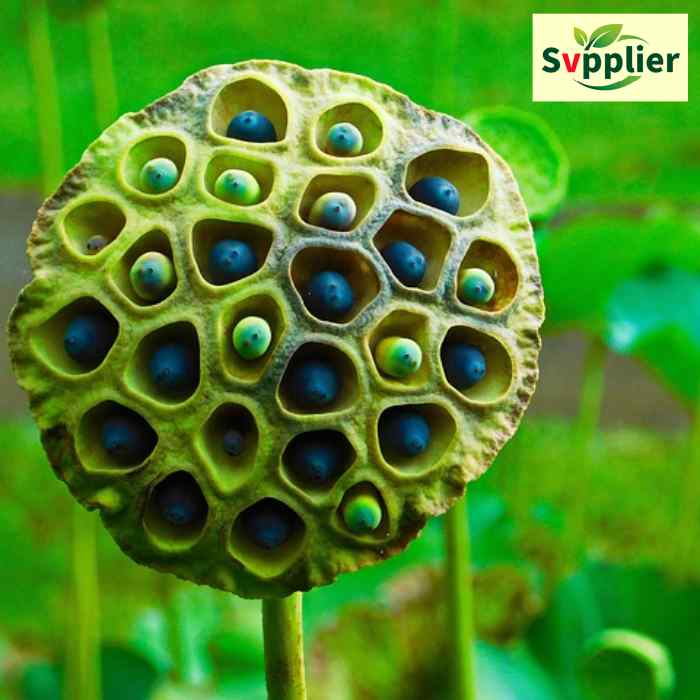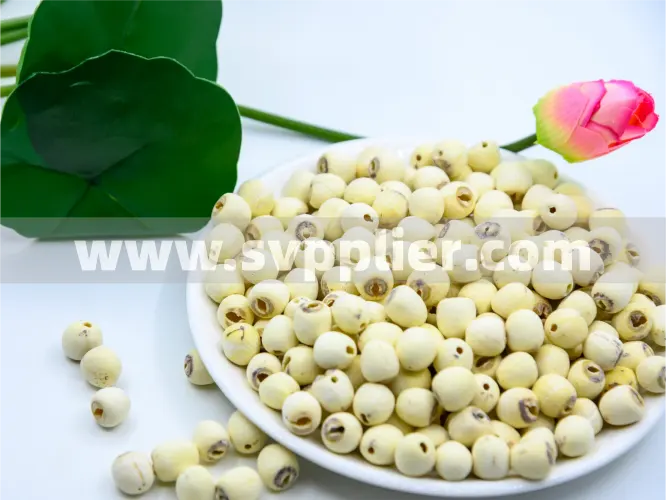
A lotus seed recipe provides an easy means to incorporate lotus seeds into your everyday diet. Lotus seeds, which have a soft bite and mild taste, do well in soups, snacks, and desserts. A staple in many Asian pantries, these seeds are readily available in dried or fresh form. If you cook with lotus seeds, it gives a nice light crunch and a bit of sweetness. Folks tend to incorporate them into rice dishes, soups, or as a basis for desserts. Loaded with fiber and plant protein, lotus seeds find their way into balanced recipes. For those of you looking for new food inspiration or just a low-salt, low-sugar snack, lotus seed recipes are worth experimenting with.
Understanding the Lotus Seed
Lotus seeds, often used in recipes like chinese lotus seed soup and lotus seed curry, have been around for centuries, interlaced within culinary and cultural practices throughout Asia and beyond. Their mild flavor, nutritional profile, and versatility have made them a staple in both sweet and savory dishes around the globe.
Cultural Symbolism
- As a symbol of luck and abundance during Chinese New Year and Indian festivals.
- Employed in Buddhist and Hindu ceremonies, it signifies purity and enlightenment.
- Used as wedding favors for fertility and harmony.
- Portrayed in art as a symbol of persistence, it bursts forth from the mud to blossom.
- Referenced in ancient poems and writings as a symbol of rebirth.
About the lotus seed
Lotus seeds are a representation of purity and rebirth, echoing the lotus flower’s unique capacity to bloom in muddy waters yet emerge untainted. In numerous rituals, lotus seeds are either presented on altars or utilized in prayers, emphasizing their sacred significance. Craftsmen are fond of the lotus seed when depicting endurance or optimism in carving or brushwork.
Flavor Profile
Lotus seeds have a delicate, slightly nutty flavor that complements both mild and robust taste profiles. Once cooked, particularly in a Chinese lotus seed soup or desserts like moon cakes, they become mildly sweet. The flavor changes depending on the method: boiled seeds are soft and mild, while roasted seeds are richer and a bit earthy. Their porous composition allows lotus seeds to soak up spices and sauces, making them ideal for dishes like phool makhana curry, curries, stews, and even snacks. This flexibility is why you’ll find them in everything from Chinese lotus seed paste to Indian makhana curry.
Textural Nuances
Cooked lotus seeds have a firm but soft bite, making them a perfect ingredient for soups and rice dishes like lotus seed curry. Dried seeds, which are more common, are harder and require soaking before they can be used in recipes. After cooking, they turn tender yet still retain a bit of bite, unlike the waxier fresh seeds found in some Asian markets. Roasted lotus seeds, on the other hand, are airy and crunchy, serving as a delicious snack much like popcorn, perfect for enjoying while watching a movie.
My Go-To Lotus Seed Soup Recipe
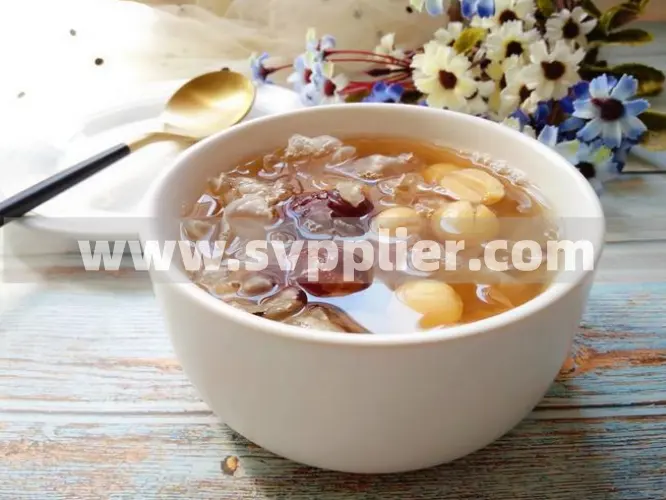
Lotus seed soup is a cornerstone of many Asian cuisines, known for its uncomplicated comfort and understated, earthy flavors. Incorporating lotus seeds into your soup not only enhances the taste but also offers health benefits, as they are rich in protein, magnesium, and antioxidants. This delicious recipe can be easily made in an instant pot or on the stove, providing a hydrating, low-calorie meal that supports digestion and skin health. Some versions even include dried longan for natural sweetness and jasmine flowers for a calming aroma.
1. Sourcing Ingredients
Good lotus seeds, particularly the dried ones used in lotus seed curry, are available at Asian grocery stores, specialty health shops, and online. When selecting seeds, look for those that are plump and pale, with minimal spots. Organic types are a safer bet because they’re less likely to contain pesticides and typically have a fresher flavor. While fresh lotus seeds are impossible to find outside Asia, dried ones work well in recipes. Other crucial soup ingredients include dried longan, rock sugar, and jasmine flowers, which complement the flavors beautifully.
2. Preparing the Seeds
Begin by rinsing dry lotus seeds in cool water a few times to wash off dust. Soak them for a minimum of four hours, preferably overnight, as this step is crucial for making a delicious lotus seed curry. Pre-soaked seeds cook more quickly and evenly than unsoaked ones. I’ve found that some of the dried seeds still contain a green sprout; pull it out if you encounter bitterness. Fresh lotus seeds require less soaking but still benefit from a good rinsing. Don’t forget fresh water and clean implements for the ultimate flavor!
3. Assembling the Soup
To make a delicious lotus seed soup, add soaked lotus seeds to a pot, covering them with 5 to 6 centimeters of water. Bring to a gentle boil and reduce the heat. After about 15 minutes of simmering, throw in the dried longan since it cooks faster. For sweetness, add rock sugar or your choice of sweetener. For an extra flavor boost, consider tossing in a few jasmine flowers or jazzing it up with some goji berries, red dates, or even silken tofu. Adjust the water amount based on your preferred soup thickness.
4. Simmering to Perfection
Simmer the chinese lotus seed soup for approximately 30 minutes until soft but not mushy. Alternatively, you could steam for 20 to 25 minutes. Keeping the heat low is essential, as rolling boil can fragment the seeds. Taste halfway through and add more sugar or a pinch of salt if necessary. A slow simmer creates a mellow, rich broth that helps flavor permeate the seeds while maintaining a nice texture.
5. Final Touches
Garnish with fresh mint, a sprinkle of toasted sesame seeds, or a few extra jasmine petals. To mix things up, try adding a pinch of cinnamon or cardamom. Serve hot for maximum aroma and comfort, and consider pairing it with a delicious phool makhana curry. Refrigerate any leftovers in a covered container, but savor within a day or two for best freshness.
Mastering Different Cooking Methods
Whether fried, dry-fried, or boiled, cooking lotus seeds has something for most palates! Each method, like making a delicious lotus seed curry or using an instant pot for a quick recipe card, accentuates different textures and flavors, allowing you to choose which one complements your meal. Understanding the fundamentals behind each technique provides more command over results.
Stovetop Method
Begin with soaking lotus seeds in water overnight. This softens them and aids in even cooking. The following day, rinse the seeds thoroughly. Add 1 cup lotus seeds to the pot with 4 cups water. Heat to a gentle simmer with the lid on. Watch the water level. If the water gets too low, add a splash more to keep from burning. Allow the seeds to cook for 30 to 60 minutes, depending on your desired softness. For a stiffer chew, test at 30 minutes. Softer seeds should run closer to an hour. When finished, remove the pot from heat but leave covered for an additional 30 to 60 minutes. This final step allows the heat to finish cooking the seeds without turning them mushy.
Stovetop cooking allows flavors to develop gradually. Feel free to throw in some spices, herbs, or a pinch of salt to the water for extra depth. This method is fantastic for those who love a more hands-on approach because you control the heat and time.
Pressure Cooker Method
If you use a pressure cooker or Instant Pot, lotus seeds can be cooked in no time. After soaking and rinsing, adding the seeds to the cooker with four cups of water per cup of seeds works well. Switch to Manual and cook under high pressure for eight minutes. When the cooking time is complete, perform a quick pressure release and then let the pot rest for fifteen minutes before opening. This step assists in bringing the seeds to their gentle final cooking.
Pressure cooking retains more of the nutrients in the seeds and makes them super-soft, perfect for purees. You can use broth or coconut milk in place of water for a flavor twist. Some cooks like to puree the finished seeds in a food processor in batches for silky desserts or spreads.
Experimenting with new methods allows you to discover what works best for your dishes and palate.
Why I Love Its Health Benefits
Known as “makhana,” lotus seeds pack a punch in terms of benefits and have been a wellness favorite for over 7,000 years. Featured in countless modern and old-school recipes, these crispy lotus seeds are beloved not only for their flavor but also for their health effects.
| Health Benefit | Description |
| Stress Reduction | Contains compounds that promote relaxation and help calm the mind and body. |
| Digestive Support | High in fiber, supports gut health and aids in regular digestion. |
| Nutrient Density | Rich in protein, fiber, vitamins, and minerals, making it a complete snack. |
| Blood Sugar Control | May help regulate glucose levels, shown in animal studies to improve glucose tolerance. |
| Anti-inflammatory | Bioactive compounds help reduce inflammation and may lower risk of chronic diseases. |
| Antioxidant | Protects against cell damage and may lower risk of cardiovascular disease and cancer. |
| Anti-aging | Shown to reduce wrinkles and improve skin health. |
| Immune Support | May help regulate the immune system and reduce risk of infection. |
| Anti-obesity | Animal studies indicate potential to reduce body and fat weight. |
Calming Properties
Lotus seeds, often featured in lotus seed curry recipes, are known to have mild sedative properties that alleviate restlessness and induce relaxation of both body and mind. Hemp seeds are filled with bioactive compounds that may affect neurotransmitters associated with stress and relaxation. A number of herbalists and traditional medicine systems have employed lotus seeds to calm the mind and maintain mental equilibrium. In certain parts of the world, lotus seed tea is brewed prior to bedtime as a mild sleep medicine. Those who frequently tussle with restlessness or mild insomnia can try supplementing an evening snack with lotus seeds, maybe with a warm cup, making relaxation before sleep a little easier.
Digestive Aid
Lotus seeds, known for their high fiber content, are loaded with benefits that promote digestive regularity and gut health. These seeds are often featured in various Asian dishes, including a delicious lotus seed curry, which aids digestion. For a digestive wellness boost, consider pairing lotus seeds with other gut-friendly foods, such as yogurt or cooked vegetables, creating a balanced and easily digestible meal or snack.
Nutrient Density
Lotus seeds shine for their protein and fiber, making them a smart pick for plant-based diets like lotus seed curry. They provide magnesium, potassium, and vitamin B1, all essential for everyday vigor and wellness. Incorporating lotus seeds into meals or snacks can contribute to a diverse and nutrient-rich diet, making them an excellent ingredient for my busy lifestyle.
Sweet, Savory, and Modern Twists
Lotus seeds do wonders in several kitchens. They’re mild in flavor and tender to the bite when cooked, making them an excellent ingredient for both sweet and savory dishes. Their versatility allows them to either feature in traditional fare or be something on-trend, such as in a delicious lotus seed curry. Being gluten-free and plant-based, they suit many diets.
For a Sweet Dessert
Making a delicious lotus seed dessert soup is easy. Begin by boiling 100 g of dried lotus seeds until soft, then add 60 g of sugar and let it simmer for 10 minutes. The seeds transform into a delicately sweet and creamy treat. For added flavor, you can sprinkle in some sliced pears or dried longan, enhancing the soup’s depth. To introduce a delightful crunch, toss in a handful of toasted almonds or walnuts. This dish is a staple in East and Southeast Asia, enjoyed warm or chilled, and is perfect for any occasion.
For a Savory Meal
Lotus seeds, often used in a delicious lotus seed curry, add body to stews, stir-fries, and curries. For a curry, cook chopped onions, garlic, and ginger in oil. Stir in 200 grams of boiled lotus seeds, diced tomatoes, and a mix of spices like cumin and turmeric. Let it simmer until thick. The seeds stay firm and soak up flavor, making them ideal for vegetarian curries or as a meat substitute in stews. Try adding them to rice dishes, soups, or even dumpling fillings. Their neutral taste means they blend well with bold spices, giving a filling bite and mild flavor.
For a Vegan Option
Lotus seeds lend themselves well to vegan diets, making them a great ingredient for dishes like lotus seed curry. They provide protein and a light crunch, serving as an excellent substitute for nuts in grain bowls or salads. To create a vegan version, roast these seeds with olive oil, paprika, and sea salt until crisp, then toss them with quinoa and fresh greens. Additionally, ground lotus seeds can thicken soups or dips, enhancing plant-based fare with their protein and fiber content while fitting seamlessly into both sweet and savory vegan creations.
Avoiding Common Cooking Mistakes
Cooking with lotus seeds, particularly in a delicious lotus seed curry, requires a bit of care. A lot of cooks struggle with texture, taste, and consistency. Steering clear of these blunders ensures the dish emerges tender and tastes exquisite, providing a harmonious experience for your palate.
Improper Soaking
Neglecting to soak dry lotus seeds typically results in irregular cooking and a hard, gritty texture. These seeds won’t soften well, even if you cook them for a long time. Most dried seeds fare best with an overnight soak, roughly 8 to 12 hours, in room temperature water. For split seeds, 4 to 6 hours might suffice. Ensure you use a bowl big enough for the seeds to swell. After soaking, drain them into a colander and rinse to dislodge any grit. Soaking allows the seeds to absorb water, enhancing their ‘nutty’ flavor and making them perfect for a delicious lotus seed curry. Cold or hot water can alter the exterior texture, so opt for room temperature water for the most reliable outcome.
Overcooking the Seeds
| Overcooking Signs | Prevention Tips |
| Mushy or broken seeds | Simmer on gentle heat, avoid high boil, monitor time closely |
| Loss of nutty texture | Taste seeds after 30 minutes, remove from heat when just tender |
| Watery or bland flavor | Allow seeds to rest in covered pot after switching off the heat |
To keep lotus seeds tender, not mushy, gently simmer for 30 minutes, then allow the seeds to rest in the pot for about 30 to 60 minutes. For pressure cookers or an instant pot, manually time them for 8 minutes. Just be sure to check the texture after 35 minutes total since seeds can overcook quickly once they are soft. Taste a few seeds every now and then to catch that perfect doneness.
Unbalanced Flavors
Lotus seeds have a mild taste and need balanced seasoning. Salt alone can make a dish flat, so include aromatics like garlic, ginger, or green onions. For a delicious twist, consider using lotus seed curry or adding a hint of soy sauce to balance sweetness and umami. Adjust seasoning as you cook, and try pairing lotus seeds with crispy lotus seeds or toasted nuts to add texture and round out flavors.
Conclusion
Lotus seeds do double duty, from sweet soups to basic bites. They cook quickly, taste subtle, and pair with traditional and modern fare. There are some serious health perks—tons of protein, fiber, and minerals in every bite. What a great way to give old dishes some new flavor. Try them baked or sprinkled on stews. Even a simple soup with lotus seeds tastes fresh! If you enjoy experimenting with new cuisine or simply need a break, these seeds fit the bill. They accommodate numerous diets and provide great flexibility in flavor experimentation. Leave your tips or swaps below! Let’s keep the ideas flowing and help one another discover new ways to utilize this humble ingredient.
Frequently Asked Questions
What are lotus seeds and where can I find them?
Lotus seeds, also known as lotus nuts, are the seeds of the lotus plant and are a key ingredient in many Asian-inspired dishes, including the delicious lotus seed curry. You can find them at most Asian supermarkets and health food stores, available both dried and fresh.
Are lotus seeds healthy?
Yes, lotus seeds, particularly in dishes like chinese lotus seed soup, are a good source of protein, fiber, and essential minerals such as magnesium and potassium, making them a nutritious ingredient in traditional meals.
Do I need to soak lotus seeds before cooking?
Yes, it is best to soak dried lotus seeds for 4 to 6 hours, which helps to soften them and shortens cooking time, ensuring a smoother result in delicious recipes such as chinese lotus seed soup.
Can lotus seeds be used in both sweet and savory dishes?
Of course! Lotus seeds, especially in a delicious chinese lotus seed soup, are fantastic in sweet desserts such as puddings and in savory soups or stews.
How do I avoid bitterness in lotus seed recipes?
Before cooking, peel off the green core in the middle of each seed, as this core can be bitter, especially in a delicious lotus seed curry.
What is the best way to cook lotus seeds?
Boiling is the simplest way to prepare ingredients like dry lotus seeds for soups or desserts, while roasting or frying them creates delicious snacks.
Are lotus seeds safe for people with nut allergies?
Typically, yes. Lotus seeds, often used in recipes like Chinese lotus seed soup, are not actually nuts. Verify for cross contamination if you have extreme allergies and ask your doctor for guidance.
Article author: Svpplier | Agriculture Supplier
Original source: https://www.svpplier.com/lotus-seed-recipe/