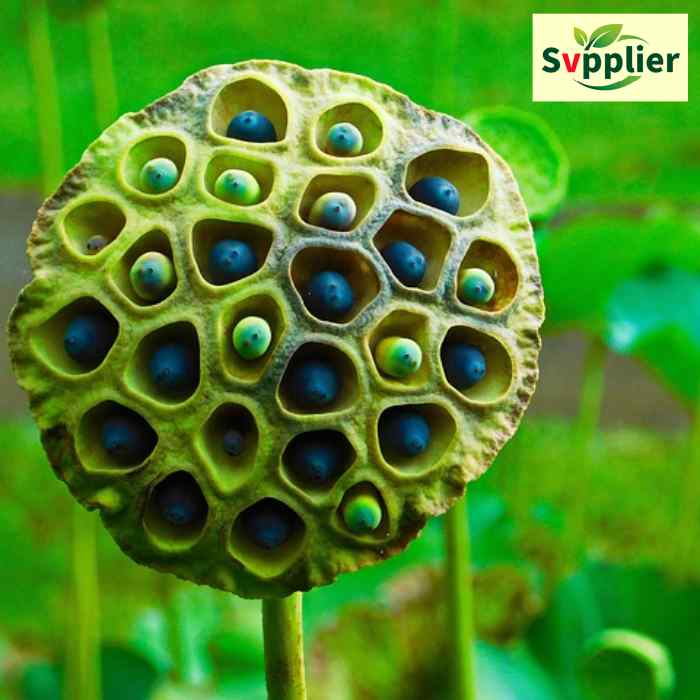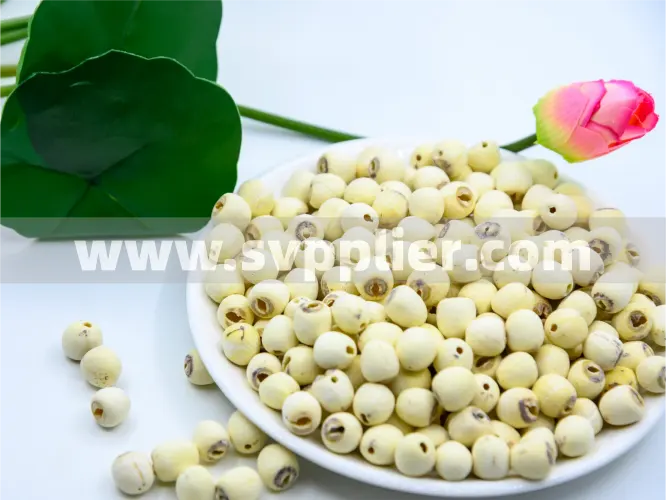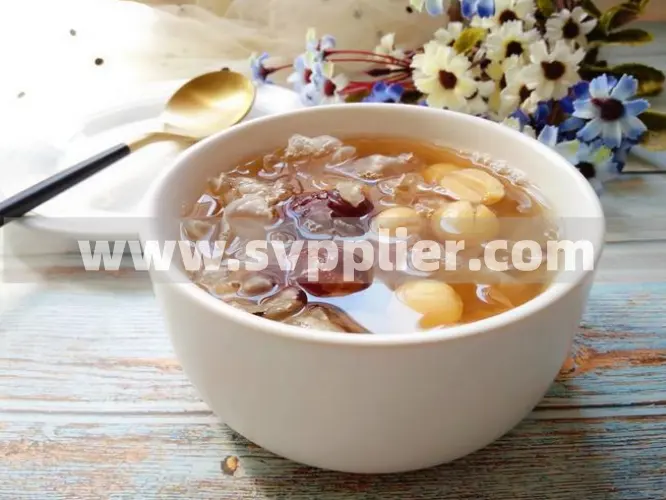
Lotus seed paste is a subtle, silky filling derived from dried lotus seeds that’s frequently found in East Asian desserts. The paste is pale or dark brown; some are sweetened, others are not. Most bakeries and home cooks use it for mooncakes, steamed buns and pastries, as its soft texture blends well with dough. Lotus seed paste is a staple in traditional holiday foods throughout China, Vietnam and other Asian countries. Other recipes incorporate nuts or flavorings for added flavor or crunch. The preparation of lotus seed paste requires patient cooking and grinding to achieve that creamy consistency. Subsequent paragraphs explain its production, applications, and storage advice.
What Is Lotus Seed Paste?
What’s lotus seed paste? It’s a staple in Asian desserts, particularly Chinese, and is often made with pure lotus seed paste. The paste itself is smooth, decadent, and commonly used in mooncakes, steamed buns, and other delicious fillings. Beyond its culinary appeal, lotus paste boasts nutritional virtues such as protein and fiber. Its versatility and distinct flavor have earned it a cherished place in any kitchen, being used for both classic and contemporary mooncake recipes.
1. The Essence
Lotus seeds are the basis for lotus paste, which is essential for making delicious lotus mooncakes. Typically, makers use dried lotus seeds, which are first soaked and then stewed in water until soft. Some chefs rely on a lye solution to accelerate the breakdown. Once softened, the seeds are ground or blended into a smooth paste. Good quality lotus seeds are important for a fresh, subtle flavor and smooth consistency. Sweeteners such as sugar or maltose are added, providing the paste with its sticky, shiny glaze. The use of pure seeds and quality sweeteners gives the paste its signature taste and makes it stand out in desserts across the globe.
2. Flavor Profile
It tastes mildly sweet with earthy flavors, making white lotus seed paste a delightful component in various sweet pastries. The sweetness can be adjusted depending on the recipe or personal preference. Unlike red bean or mung bean paste, lotus paste is less intense, allowing it to blend easily into a variety of confections, enhancing the overall flavor profile.
3. Textural Qualities
When well-crafted, lotus seed paste is a creamy, smooth filling that enhances the entire eating experience. The texture varies depending on how the seeds are cooked or ground, making a smooth, lump-free paste ideal for mooncakes or baozi. Adding maltose gives it that shiny, sticky look, rendering these Chinese pastries soft and decadent.
4. Cultural Heart
Lotus seed paste is synonymous with Chinese festivals, most famously in mooncakes during the Mid-Autumn Festival. This sweet paste represents purity and longevity in Buddhism. Families incorporate it in delicious fillings while gathering and celebrating the holidays, maintaining traditions that highlight the rich culinary heritage of Asian mooncake recipes.
The Two Main Varieties
Lotus seed paste comes in two principal forms: regular (or sweet) lotus seed paste and white lotus seed paste. The choice between these two affects not just the look but also the flavor, consistency, and ultimate presentation of your lotus mooncakes and other pastries. Regular paste is darker and has a stronger caramel flavor, while the white paste is lighter and smoother, often preferred for higher-end chocolates. This variety in preparation reflects wider culinary styles and tastes by region.
| Feature | Regular Lotus Seed Paste | White Lotus Seed Paste |
| Color | Brown to golden | Pale or ivory |
| Texture | Slightly coarse to smooth | Very smooth, creamy |
| Sweetness | Moderate to strong | Mild, subtle |
| Common Additions | Sugar, maltose, oil | Sugar, oil, salted egg yolk |
| Typical Uses | Pastries, buns, mooncakes | High-end mooncakes, fine pastries |
| Price | More affordable | Usually higher |
Regular Paste
Regular lotus seed paste tends to be a deep brown or golden in color, with a richer flavor. It typically has a medium to intense sweetness and is a staple in classic desserts like mooncakes. A lot of traditional Chinese pastries, including mooncakes, utilize this variety of paste, which can range from coarse to smooth depending on how long the seeds are cooked and how fine they are ground.
You can create your own lotus mooncakes at home using dried lotus seeds, sugar, maltose, and vegetable oil. Some cooks soak and boil the seeds for as long as two hours, while others use a pressure cooker or Instant Pot, reducing the cooking time to around 20 minutes. Others even soak the seeds in lye to hasten softening. By gradually adding oil and stirring frequently, you achieve a glossy, less sticky sweet paste.
For those who prefer something stronger or more old-fashioned, regular lotus seed paste is the way to go. It’s cheaper and more easily found in stores.
White Paste
White lotus seed paste is prized for its light, nearly ivory color and velvety consistency. It stands out for its use of peeled lotus seeds, which lend a smooth, creamy texture. The sweetness is generally softer than standard paste.
One of the most exciting aspects of these white paste recipes is how many include salted egg yolks, which lend a subtle savory note and complexity. This type is commonly selected for premium mooncakes and gourmet cakes, especially where aesthetics and sophisticated flavor are important.
It has been gaining popularity in recent years as more contemporary desserts and bakeries are utilizing white lotus seed paste for its subtle taste and high-end appearance.
Culinary Use
Lotus seed paste is malleable. It serves as a stuffing for buns, pancakes, and mooncakes, or a topping in modern cakes and tarts. The paste’s consistency changes with preparation. Some have it smooth, while others leave it coarse for bite.
Mid-Autumn Festival, lotus seed paste is the star of mooncakes, occasionally joined by salted egg yolks for contrast. In today’s kitchen it shows up in Swiss rolls, sandwich cookies, and even ice cream.
Popular recipes featuring lotus seed paste:
- Traditional mooncakes (with or without salted egg yolks)
- Steamed lotus seed buns
- Lotus seed paste-filled pancakes
- Lotus seed Swiss rolls
- Lotus seed ice cream
Lotus seed paste keeps well. Store in the fridge for days or freeze for up to three months.
How to Make Lotus Seed Paste
Lotus seed paste is a silky-smooth sweet filling found in many Asian desserts, most famously mooncakes and buns. Fundamentally, making lotus seed paste at home involves straightforward steps and minimal ingredients. There are important details that impact flavor and consistency.
- Begin by washing dried lotus seeds. It is best to soak them for at least 3 hours or overnight to soften. Quality seeds are pale with minimal blemishes, which makes for a smooth, mild paste. Seeds with a bitter green core should be split open and the core extracted because this will lend bitterness to the paste.
- Once soaked, boil the lotus seeds. You can use a pot on the stove or a pressure cooker. Cooking on the stovetop usually requires 45 minutes to an hour, while pressure cooking can reduce that time to 30 minutes. The aim is to soften the seeds as much as possible. When you can mash one between your fingers, they are prepared.
- Drain the cooked seeds and combine them with a splash of water in a blender. Pulse until a fine purée. I find a food processor or high-speed blender works best for a fine, even result. This is the foundation of your paste.
- Take the purée and place it in a pan, cook on medium low. Add sugar and continue to stir to prevent sticking or burning. Add oil little by little while stirring. Neutral-tasting oils like sunflower or canola are common. When the paste begins to thicken, add maltose, which imparts shine and a smooth mouthfeel to the paste.
- Continue cooking, stirring the mixture for roughly 30 minutes. The paste will get thicker as you proceed, and after five to ten minutes, it should draw together as a single mass and appear glossy. It is the perfect consistency when it is not sticky to the touch and keeps its shape.
- Allow the paste to cool. It will thicken further as it cools, so don’t worry if it seems a little soft initially. Keep in an airtight container in the fridge for a week or freeze in small portions for longer storage.
It’s tempting to quickly blend or dump all the oil in at once, but these actions can weigh down the paste or make it grainy. Stirring all the time and working with low heat prevents burning and keeps the paste silky. Good seeds and taking your time with each phase will reward you with a paste that’s lush, aromatic, and very convenient for all sorts of pastries.
A Culinary Cornerstone
Lotus seed paste, particularly the pure lotus seed paste, has been a staple ingredient in Chinese sweets for centuries. Its rich history dates back thousands of years to the Shang dynasty, when dried lotus seeds were incorporated into sweet and ceremonial foods. Today, this delicious filling is made by soaking dried lotus seeds and then stewing and blending them into a smooth purée. Occasionally, chefs will employ a lye bath to accelerate the softening process. Presto—rich, subtly sweet filling that keeps beautifully up to 2 weeks in the fridge or 3 months frozen. Maltose is added for sweetness, a legacy of Chinese cuisine, making it essential for creating lotus mooncakes and other festive treats.
Mooncakes
Mooncakes are the emblematic lotus seed paste dessert, with the paste commonly utilized as the primary filling, especially in white lotus seed paste mooncakes, valued for their light coloration and subtle taste. There are two main types of mooncakes featuring lotus seed paste: baked mooncakes with a golden crust and snow skin mooncakes with a soft, chewy exterior. Some people like to sprinkle a bit of salted egg yolks or nuts for added crunch. The techniques for mixing the paste and filling the mooncakes differ widely by region, with some areas opting for more heavily sweetened paste or mixing it with other ingredients, emphasizing regional flavors and traditions. Lotus seed paste mooncakes are a hallmark of the Mid-Autumn Festival.
Pastries
Lotus seed paste isn’t exclusive to mooncakes; it is also a key ingredient in various Chinese pastries like steamed buns and tarts. This sweet paste has a natural affinity for flavors such as red bean and black sesame, but it also works beautifully with matcha in contemporary recipes. Bakers creatively incorporate it into both classic and new age fusion desserts, including delicious fillings for lotus mooncakes and bite-sized tarts found in Chinese bakeries.
Celebrations
- Lunar New Year feasts
- Mid-Autumn Festival gatherings
- Weddings and engagement ceremonies
- Birthday banquets
- Baby full-month celebrations
Lotus seed paste, often featured in mooncakes, comes in bridal cakes, representing purity and harmony. When we serve these sweet pastries at family gatherings, we share good fortune, linking its inclusion in festive fare to ancient associations with prosperity.
Beyond Tradition
Lotus seed paste has been a staple in Chinese cuisine for ages, especially in mooncakes. Nowadays, its applications continue to evolve as modern chefs and bakeries find innovative ways to incorporate pure lotus seed paste into sweet and savory recipes. Sometimes mixed with maltose for a sticky, glossy finish, this delicious filling garners attention in pantries well outside of its traditional ancestry, showcasing its versatility in various culinary creations.
Modern Gastronomy
Across restaurants and bakeries, lotus mooncakes made with lotus seed paste are appearing in dishes beyond the traditional offerings of mooncakes and steamed buns. Some chefs creatively fold white lotus seed paste into ice cream bases for a creamy, nutty treat, while others stuff French pastries, like éclairs or mille-feuille, with this sweet paste, merging East Asian flavors with European style. Now, cheesecakes and mousse cakes feature layers or swirls of lotus seed paste, imparting a mild, earthy note that sets them apart from typical sugary fillings.
Chefs are also experimenting by combining lotus seed paste with matcha, black sesame, or even tropical fruits. This fusion results in exciting new flavors such as matcha-lotus tartlets or mango-lotus parfaits. The sticky, shiny texture derived from maltose enhances the versatility of lotus seed paste in baked goods and frostings. Certain chocolatiers use it as a filling, offering a softer sweetness compared to caramel or fruit.
In other locations, lotus seed paste is in gelato with pistachio or coconut. Cafés serve up macarons with lotus seed paste, and fusion bakeries fold it into croissants. They’re taking lotus seed paste beyond tradition, introducing it to people who may not be familiar with its heritage and proving it belongs in many menus.
Sourcing Challenges
It’s not that simple to get quality lotus seeds. Edible lotus farms face a storm of changing climate, water woes, and soaring expenses. Some cooks soak dried lotus seeds in lye or use a pressure cooker to reduce cooking time, but it all still hinges on the seed itself.
It’s worth choosing good quality seeds because bad ones can impart a grainy or bitter paste. The soaking, stewing and mashing required to transform seeds contributes to the cost and restricts how much premium paste is on shelves. This occasionally makes lotus seed paste more difficult to source, particularly outside of Asia.
If sourcing is difficult, some bakers swap in white bean paste or mung bean paste. These still provide a creamy texture but do not have the distinctive nutty flavor of lotus seeds. Lotus seed paste stores in the fridge for a couple of weeks or up to three months frozen, so that helps with supply but only if the original quality is high.
A Nutritional Perspective
Lotus seed paste, derived from the seeds of the lotus plant, has always been prized for its nutritional value. Packed with protein and fiber, this sweet paste is essential for a nutritious diet. Protein is crucial for muscle repair and growth, while fiber keeps the digestive system humming. Additionally, lotus seed paste is rich in antioxidants, aiding the body in battling damage from free radicals. These antioxidants support the immune system and may reduce the risk of certain chronic diseases. Besides protein and fiber, this delicious filling provides minerals like potassium, magnesium, and iron, which are vital for cardiovascular health and blood pressure regulation.
From a nutritional standpoint, eating lotus seed paste in moderation has a number of benefits. From a nutritional point of view, lotus seeds’ fiber contributes to smooth bowel movement and prevention of constipation. Its protein content makes it the perfect choice for anyone looking to add more plant-based proteins to their meal plan. The antioxidants and minerals in lotus seed paste may assist with bolstering immune function and overall health. Given the lotus plant’s anti-inflammatory compounds in its leaf, some benefits might be present in the paste; this largely depends on its preparation.
When purchasing commercially made lotus seed paste, it’s beneficial to check the ingredients, as some brands may add sugars, preservatives, or flavorings. Here’s a quick checklist: look for pure lotus seed paste without unnecessary additives. It functions great in vegetarian and vegan diets due to its plant protein content. For those with gluten intolerance, lotus seed paste is naturally gluten-free, making it a suitable option. If you’re diabetic or monitoring your sugar intake, be sure to read the labels carefully, as some products can be high in sugar.
- Check for added sugar or sweeteners
- Look for preservatives or artificial colors
- Review the ingredient list for allergens
- Watch out for oils or fats like palm oil.
- Check sodium content, especially if you have dietary restrictions
Incorporating lotus seed paste into your recipes can enhance the nutritional profile of your meals while providing a unique flavor. Whether used in mooncakes or other Chinese pastries, this versatile ingredient can elevate your dishes and contribute to a balanced diet.
Conclusion
Lotus seed paste maintains its place in pantries worldwide. They eat it in mooncakes, steamed buns, and even ice cream. It adds a subtly sweet flavor and creamy texture. Our old and new recipes all demonstrate how well it goes with so many foods. Here are some easy instructions to make it yourself at home, with fresh or dried seeds. They love it for the protein and fiber that help a balanced diet. Lotus seed paste remains accessible, delicious, and versatile. Whether for chefs looking to experiment or lovers of traditional favorites, lotus seed paste adds both taste and texture. Give it a whirl in your next plate and check out how it works for you!
Frequently Asked Questions
What is lotus seed paste?
Lotus seed paste, a sweet and smooth mixture made from boiled and blended seeds, is essential in creating delicious filling for mooncakes and other Chinese pastries.
How is lotus seed paste used in cooking?
Lotus seed paste is the filling of choice for mooncakes, especially during mooncake season, adding a creamy, slightly sweet flavor to both traditional and modern Chinese pastries.
Are there different types of lotus seed paste?
Yes, there are two main types of mooncake fillings: white lotus seed paste and golden lotus seed paste. The white lotus seed paste is lighter, whereas the golden has caramelized sugar added.
Is lotus seed paste healthy?
Lotus seed paste adds plant-based protein, fiber, and some minerals. It can be sugary, so it is best in moderation in a balanced diet.
Can I make lotus seed paste at home?
Yes, you can make lotus seed paste at home by boiling, blending, and sweetening lotus seeds, allowing you to control the ingredients and sweetness for your mooncakes.
What does lotus seed paste taste like?
Lotus seed paste, known for its mild nutty flavor and gentle sweetness, is a popular ingredient in Chinese pastries, especially in mooncakes due to its smooth texture.
Is lotus seed paste suitable for vegans?
Classic lotus seed paste is plant-based and vegan, making it a popular choice in mooncake recipes. Always read ingredient labels or make your own to ensure it fits your diet.
Article author: Svpplier | Agriculture Supplier
Original source: https://www.svpplier.com/what-is-lotus-seed-paste/