If you’re growing lotus from seeds, begin by soaking seeds in warm water and watch for them to sprout small roots. Lotus seeds are hardy; scratch one end with sandpaper to aid water penetration. Replace the water every day and place the bowl in a warm location. Sprouts will appear in approximately a week. Transfer to a larger container with fresh water when shoots reach 10 centimeters. Plant the seedlings in shallow mud or soil, then cover loosely. Lotus plants grow best in full sun and require ample room to expand their broad leaves. Understanding each stage enables you to cultivate robust lotus plants. The following section will discuss each step and advice for optimal growth.
Preparing Your Lotus Seeds
How To Prepare Your Lotus Seeds. This section deals with the seed preparation for good germination. Care in these initial phases can establish the groundwork for beautiful flowers and strong plants to come.
1. Seed Viability
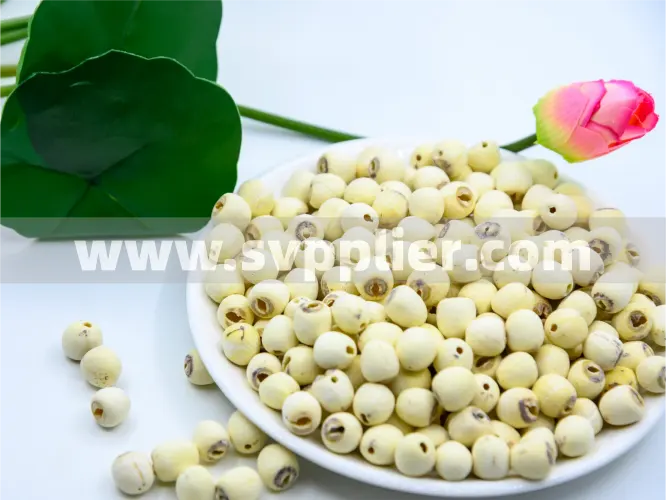
Inspect the seed coat of each seed to be sure they are firm and not cracked. Hard, dark brown seeds without cracks or soft spots are generally healthiest. Using a float test is simple: place seeds in water. Those that sink are likely viable, while floaters may be hollow or rotted. Unopened seeds should be stored in a cool, dry place to avoid molding. Purchase your seeds from reputable companies, as their seeds are more apt to be fresh and without disease. Trustworthy vendors assist in making sure you receive seeds with solid germination potential, not ancient inventory that is a challenge to germinate.
2. Seed Scarification
Scarify the lotus seeds by gently rubbing the rounded end with a metal file or coarse sandpaper until you are able to see the cream interior. This step assists the seed in soaking up water, which is required to kick off sprouting. Don’t cut too deep because cutting the embryo inside kills growth. After scarification, soak the seeds for another day. Certain growers apply a sharp knife, but there’s a higher risk with this — sandpaper is safer for the majority. Treat each seed gently to maintain its integrity and vitality for the upcoming step.
3. Water Germination
Prepare scarified seeds in a shallow bowl with clean, warm water, just enough to cover the seed by a few centimeters. Make sure you change the water every day with fresh water so it won’t get bacterial. A sunny spot, such as a windowsill, accelerates the sprouting. If the bowl remains warm, most seeds will sprout within three to seven days. Keep an eye open for the first shoots, and when they have grown several centimeters, the seed is made ready for the next phase. Avoid drafts and temperature swings with your bowl.
4. First Sprout
Choose a wide, shallow container with holes in the bottom, as lotus roots want to spread. Use a soil mix: 8 to 10 centimeters of composted cow manure with 30 to 45 centimeters of topsoil on top. Wait until seedlings have several leaves out of the water before transplanting to buckets or outdoor ponds. Do not plant until the pond remains above 18 to 21 degrees Celsius. About your lotus seeds, wait on fertilizers until you notice the very first leaves piercing the water’s surface. Keep the water level, particularly in hot summers, since lotuses are big drinkers and require 6 to 7 hours of full sun for optimum growth.
Creating the Ideal Habitat
Lotus seeds require the proper environment in order to become robust, vigorous plants. Designing a perfect environment helps them put down strong roots, shoot up good shoots, and blossom. All of it — container, soil, and water — contributes to the success of your lotus’s growth indoors or out.
Container Choice
Wide, shallow containers are best for lotus seeds. They provide the roots and rhizomes space to expand while keeping water level maintenance simple. Pick clay or durable plastic as these retain moisture without becoming too cumbersome to lug around. A depth of 20 to 30 cm and width of 40 to 60 cm is sufficient for the majority of home growers. For dwarfs, a smaller tub will suffice, but the larger varieties might require extra room to grow. If you intend to keep your lotus outside, verify that the pot is sturdy enough to withstand sun, wind, and rain. Others rely on half-barrels or robust plastic tubs.
Soil Composition
A good soil mix for lotus is made up of pond soil, clay and sand. This mixture forms a compact yet drainable substrate that braces the roots and prevents the seeds from floating. Mix in some well-rotted manure or compost for added nutrients, but leave out the regular garden dirt because it tends to disintegrate in water and make the container cloudy. Once mixed, test the soil by grabbing a handful and squeezing. Moist but firm is best. If water drains too quickly or pools on the surface, adjust the mix until it forms a clump but doesn’t become muddy.
Water Quality
Fresh water, such as rain water or tap water that has been allowed to stand for a day, is best for lotus. No chlorinated water straight from the tap. Maintain the water just above the soil, about 10 to 15 centimeters deep, so roots are moist but not submerged. Warm water, between 23 and 28 degrees Celsius, accelerates seed sprouting and young plant growth. Open the water every few days for algae or cloudiness. If the water begins to appear green or murky, partially change it and clear out any debris to keep the habitat healthy.
Planting Steps
Prepare all tools, soil, and water in advance. Lightly brush each sprouted seed just beneath the soil, not too deep. Water the pot slowly and thoroughly to firm the soil and eliminate air pockets. Mark each pot with the lotus variety and date. This aids in monitoring each plant’s developmental strides and attention requirements.
The Art of Planting
Planting lotus seeds requires patience, a tender touch and a little bit of expertise. Begin seeds in a shallow bowl with a few inches of warm water and soil. Leave the stems until they are around ten centimeters tall before moving them. Timing is key—southern areas begin in April and northern ones in May. Lotus seeds are unique. Their tough brown shell allows them to remain dormant for hundreds of years. Certain ones have germinated after a millennia or more.
Initial Potting
Seedlings need to be replanted into larger containers as soon as they develop a few leaves. Be careful when handling them to avoid damaging the delicate roots. The new pot ought to be at least 30 centimeters in depth and 60 centimeters in width. Plant in a well-draining mix that holds sufficient moisture for the roots to grow. Water immediately after potting so the roots settle in. Don’t anticipate blooms your first year; leaves are all you’ll get as tubers develop underground.
Water Depth
Keep water shallow, just above the soil, initially. It facilitates stalwart root growth and prevents new leaves from decimating. As your plants grow, gradually add more water. Ensure the water never touches the leaves. Modify depth accordingly. Older plants tolerate deeper water, but too much too soon stunts them. This is crucial for robust, healthy growth and halts rot.
Sunlight Exposure
Lotus requires full sun. Plant pots where they will receive six to eight hours of sun daily. Turn them every now and again to let all sides breathe. Look for light green leaves or thin, spindly growth; these indicate not enough light. Indoors, reflective surfaces augment sunlight and make plants grow in suboptimal locations.
Ongoing Care
Watering ought to be constant, moist, not saturated. Look out for pale or twisted leaves, which indicate a deficiency of nutrients. Apply a 10-14-8 aquatic fertilizer if necessary. Watch out for pests and physically remove them or treat them gently. As your plant matures, adjust your care to suit. Overwintering could include bringing pots indoors with frost. Over time, blooms emerge in year two, typically exuding a peaceful beauty wherever they bloom.
Nurturing Your Growing Lotus
Lotus seedlings require supportive attention to mature and blossom. Water, light, and nutrients all influence healthy plant growth. Tending to plant needs can direct growth from the first leaf to the first flower.
Consistent Watering
Lotus plants require wet soil for their roots constantly. Once the seeds germinate and the leaf stems attain a length of around 10 cm, transfer them to a shallow dishpan with a 7 cm sand or thin clay soil base covered with sand. The water should cover the soil by 5 to 8 cm. Never allow the water to drop below this. Lotus can take high summer heat, but they will reach up and draw up much more. Water via a gentle stream, so as not to stir up the earth and damage fragile roots. Watch the weather: hot, dry spells call for more frequent checks and top-ups, while cooler or cloudy periods may need less.
Feeding Schedule
Fertilize only once the plant has a few standing leaves above water. Apply a well-rounded lotus fertilizer or aquatic fertilizer, being sure to follow the label for proper dosage. Fertilize approximately once every two to three weeks during the growing season, more or less as the plant shows signs of stress or slow growth. Too much fertilizer can burn roots or cause algae spikes, so less is more. If you want to skip chemical buildup, organic favorites like composted manure pellets or slow-release aquatic tabs do the trick. In the first year, most lotuses only sprout leaves, and blossoms are uncommon. Concentrate on rhythmical growth and a robust rhizome.
Pest Management
Keep an eye on your leaves. They’re a favorite snack of aphids, snails, and caterpillars. Cut off infected leaves immediately to prevent the infection from spreading. Wash off pests with a gentle spray or insecticidal soap as necessary. Recruit natural predators like ladybugs to control minor pest infestations. Maintain a clean pond or container to reduce cover for pests.
Addressing Common Problems
Algae can flourish if the water receives an excessive dose of fertilizer or sunlight. Shade the tub or decrease feeding to restrict its development. If leaves look stunted or blooms fail to materialize by the second year, suspect poor light or water temperatures below 21°C. Sometimes a plant sleeps and bulks up its rhizomes for blossoms the following year. Nurturing Your Growing Lotus
Overcoming Common Hurdles
There are some real challenges in growing lotus seeds, particularly for growers beyond the plant’s native range. Every phase of development presents its own challenges, from algae-infested water to sluggish or abbreviated bloom times. Knowing these hurdles and how to tackle them can make the process easier and more enjoyable.
Algae Growth
Algae can rapidly get out of control when nutrient levels are too high. To reduce algae, keep nutrients low and don’t over-fertilize, particularly early on. Use pond pumps to get your water moving and oxygen up; this deters algae. Introducing other aquatic plants, such as water hyacinth or submerged oxygenators, can outcompete algae for light and nutrients. Scrubbing the surface usually does the trick by eliminating the nutrients that sustain the algae. Scrutinize your pond or container for depth and sun, as shallow, warm water in full sun can accelerate algae proliferation. Provide spacing between the lotus plants to increase circulation and eliminate still pockets where algae flourish. Pests can cause damaged leaves, which are more susceptible to algae buildup.
Stunted Leaves
Stunted leaves can signal a few issues. Sometimes this is a symptom of nutrient deficiency, particularly if the plant is missing out on trace elements. When transplanting seedlings, don’t do so until the plant has several leaves and roots have developed to a larger pot or pond. Young plants may be slow initially, particularly when they’re in the 3-week dormancy period when the tubers are developing. Water depth issues begin with just enough to cover the growing point. Sudden changes shock seedlings. Be sure to provide sufficient sun; lotus requires 6 to 7 hours of direct sun. Few leaves might appear stunted if air or water temperature falls below 21 degrees Celsius.
Failure to Bloom
Who doesn’t get frustrated by a failure to bloom! Lotus plants go through defined stages: seedling, submerged leaves, aerial leaves, then flowering. Deep water can postpone blooming. Keep the water shallow until you see flower buds appearing. Just begin feeding once above-water leaves appear, as early fertilizer can damage tubers. Pay for the variety you grow to your climate, as some require warmer or longer seasons. In the first year, they may go dormant and not flower, instead putting on rhizome growth.
The Lotus Lifecycle Unveiled
Cultivating lotus from seed is a gradual endeavor beginning beneath the surface in frigid months. The seed, small and brown, drops to the bottom and lies dormant when water is cold. As soon as it senses the heat of late spring, it awakens and begins to expand. Roots anchor in the mud, and shoots ascend, puncturing the water’s surface. This initial phase is slow, yet it establishes the foundation for the plant’s longevity. Most find this portion gratifying as they witness the initial signs of growth after weeks of anticipation.
In summer, lotus buds rise above the large, circular leaves. Numerous buds rise 1.5 to 1.8 meters above the water. The flower, when it blooms, blooms in the morning. Every flower contains nearly 15 petals and measures 20 to 30 centimeters in diameter. Lotus blooms in the morning and closes during the late day for 5 days. The hue and dimension of the petals may fluctuate according to the variety of lotus and its maintenance. In gardens or small ponds worldwide, this cycle is a feature, with the flamboyant flowering lasting from late June to early August.
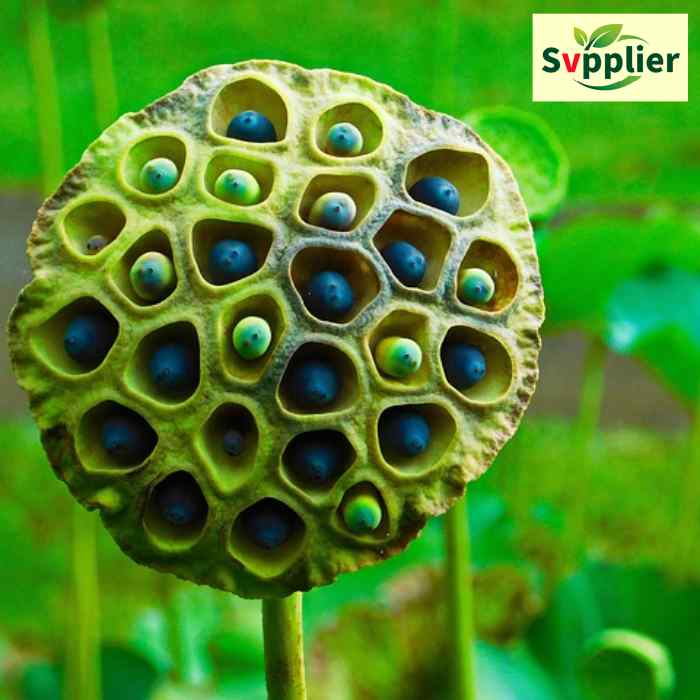
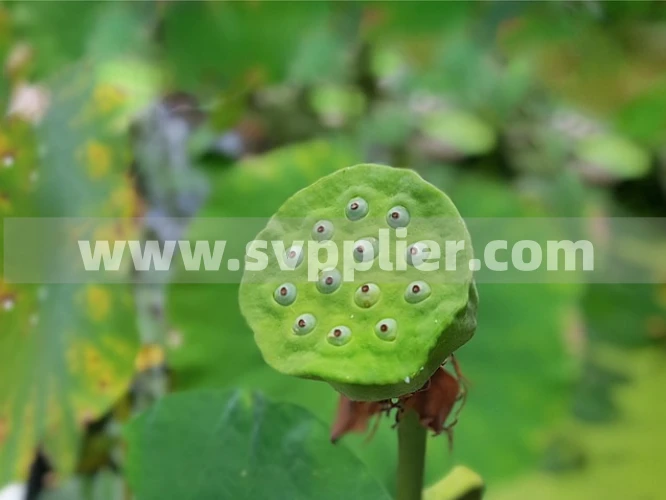
Once the bloom falls away, the seed pod develops. It resembles a green porcupine disc, a disc with holes, and each hole contains a lotus seed. As the pod dries, those holes get bigger, and the seeds fall into the water. A few will immediately take root, while others will remain latent for years. This natural cycle implies that every season offers a fresh opportunity for growth.
Reading lotus life is a celebration of victories and defeats. In the first year, some seeds will never germinate or plants will fail to flower. Sharing lore and advice with other cultivators, online or in neighborhood clubs, educates new farmers. Every cycle of growth imparts not only patience but proficiency in tending to water, soil, and plant wellness. When planning for next year, many experiment with new varieties or alter how they cultivate their plants, constantly searching for superior blossoms or novel hues.
Conclusion
Growing lotus seeds takes some time, steady hands and TLC. Every step from soaking seeds and creating the ideal environment to pressing them in mud and nurturing shoots has a definite role. Fresh leaves and open blooms really make the difference. Flowers can provide a sense of peace and a little bit of bragging rights. Most people get new leaves within a few weeks. If the water appears murky or leaves wilt, a quick clean-up usually does the trick. Others use mini-barrels or big bowls for brilliant blooms in tiny yards. Watch for bugs and keep water clean to make plants strong. To continue learning, trade advice with local gardeners or sign up to a plant forum online. Experiment, share your discoveries, and watch your lotus grow.
Frequently Asked Questions
How do I prepare lotus seeds for planting?
Immerse the lotus seeds in warm water for 24 to 48 hours. Replace the water every day until the seeds swell and sprout. File or nick the hard shell with care to hasten germination.
What is the best water temperature for growing lotus?
Lotus seeds germinate best in water between 25 to 30 degrees Celsius. Steady warm temperatures aid seed sprouting and early growth.
Can I grow lotus seeds indoors?
Oh yes, lotus seeds can germinate indoors in a pot of warm water and sunshine. Harden young plants off outside once temperatures remain above 20 degrees Celsius.
How deep should lotus seeds be planted?
Plant sprouted lotus seeds 2 to 5 centimeters deep in a pot containing heavy loam soil and submerged in water. Don’t plant too deep.
How long does it take for lotus to flower from seed?
Lotus can bloom in 4 to 6 months after seed planting under good care. The flowering time varies by climate and care.
What are common problems when growing lotus seeds?
Typical problems are rotting seeds, pests, and low water quality. Use clean water, do not overcrowd, and keep an eye out for bugs or mold.
Do lotus plants need direct sunlight?
Yes, lotus require at least 6 hours of direct sun to grow and flower well. Sunlight is critical for robust flowers.
Article author: Svpplier | Agriculture Supplier
Original source: https://www.svpplier.com/how-to-grow-lotus-seeds/