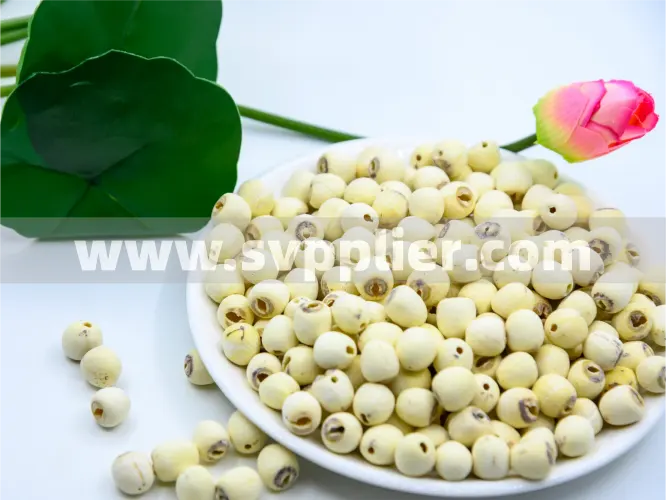
Lotus seeds nutrition boasts a wide combination of protein, fiber, vitamins, and minerals that complement most healthy diets. These seeds provide approximately 9 grams of protein and 3 grams of fiber per 100 grams. They are sources of magnesium, potassium, and phosphorus, which aid in regular body function. Low in fat and gluten-free, lotus seeds fit perfectly into both vegan and gluten-free diets. They find their way into dishes, both sweet and savory, in multiple cultures. Some consume roasted seeds as snacks, while others incorporate them into soups or desserts. For anyone seeking a natural option for energy and crucial nutrients, lotus seeds present an easy decision. Read more benefits and uses in following part.
The Nutritional Profile
Lotus seeds, or makhana, particularly shine because of their exceptional nutritional profile, rich in bioactive components and several vitamins. They provide a blend of macronutrients, including healthy carbs and proteins, along with essential vitamins and minerals that fits many diets, making them an excellent functional food for health-conscious individuals.
Macronutrients
The Nutritional Profile No surprise here, lotus seeds are rich in plant protein and serve as a functional food. In terms of their nutritional profile, a 100-gram serving provides 4 grams of protein, or 31% of the daily value, and they offer important amino acids such as tryptophan, threonine, isoleucine, and leucine, all in greater quantities than many plant foods. With just 5 grams of carbs per 100 grams or 21% of the daily value, these complex carbs ensure sustained energy levels and help stabilize blood sugar. Additionally, with only 0.33 grams of saturated, 0.39 grams of monounsaturated, and 1.2 grams of polyunsaturated fats, their fat profile is lighter and healthier than most nuts, making them an excellent choice for those mindful of cholesterol levels.
| Food (100g) | Protein (g) | Carbs (g) | Fat (g) | Calories |
| Lotus Seeds | 4 | 5 | 2 | 106 |
| Almonds | 21 | 22 | 49 | 579 |
| Cashews | 18 | 30 | 44 | 553 |
| Peanuts | 25 | 16 | 49 | 567 |
Micronutrients
Lotus seeds provide a number of key vitamins, such as the B-complex family and vitamin E, which contribute to their antioxidant activity. B vitamins assist with energy and metabolism, while vitamin E is great for skin and cell health. Additionally, these seeds are an excellent source of essential minerals like calcium, which is 49% of the daily value, and zinc, crucial for immune function. Furthermore, they contain bioactive components that support overall health and wellness, making them a valuable functional food option.
- Calcium: strengthens teeth and bones
- Iron: supports red blood cell health
- Magnesium: helps muscle and nerve function
- Phosphorus: assists bone and cell growth
- Potassium: balances fluids and heart health
- Zinc: boosts immune response
Bioactive Compounds
Not to mention the bioactive compounds that lotus seeds have, such as flavonoids and phenolic acids. These compounds, including vitamin C and other phytochemicals, help the body battle cell damage. Their antioxidant activity helps lower oxidative stress connected to aging and chronic disease. Other research reveals lotus seeds have anti-inflammatory properties, which might help with swelling or pain.
- Flavonoids: help cell repair and may ease inflammation
- Phenolic compounds: protect against free radicals
- Alkaloids: may calm nerves and lower stress
- Saponins: could help manage cholesterol and boost immunity
What Are Lotus Seeds Nutrition Benefits?
Lotus seeds boast a nutrient-rich profile, making them a functional food for those seeking to support heart health, blood sugar levels, and digestion. Their combination of protein, fiber, and essential minerals, alongside bioactive components, complements various diets globally.
1. Heart Health
Lotus seeds harbor bioactive components that can help reduce LDL cholesterol and strengthen the heart. With approximately 4 grams of fiber in a cup, they can decrease cholesterol absorption. The seeds are a source of potassium, which promotes stable blood pressure. Antioxidants like kaempferol in lotus seeds exhibit antioxidant activity and combat inflammation, shielding the heart from oxidative stress. Incorporating lotus seeds into a heart-healthy diet full of other functional foods, like oats and legumes, can provide an additional boost.
2. Blood Sugar
Lotus seeds, known for their low glycemic index, lead to a gradual increase in blood sugar, making them a reliable functional food for those managing diabetes or glucose spikes. Their high fiber content aids in glucose absorption, while the protein, nearly 5 grams per cup, helps maintain stable energy levels. Additionally, lotus seeds are rich in magnesium, a vital mineral that many adults lack, which can significantly help regulate blood sugar levels in individuals with diabetes and prediabetes. Research suggests that the bioactive components in lotus seed may also enhance insulin sensitivity, promoting long-term metabolic wellbeing.
3. Digestive Wellness
Thanks to their high fiber content, lotus seeds keep the digestive system humming and provide significant nutraceuticals benefits. Fiber encourages regular bowel movements and fights constipation, while the bioactive components in lotus seeds help regulate cholesterol and blood sugar levels. Sprinkle lotus seeds into your soups or breakfast bowls to encourage a healthy gut and feed good bacteria, making them a great addition to stomach-friendly recipes.
4. Anti-Aging
Lotus seeds are packed with antioxidants, which defend cells and could decelerate aging. Rich in amino acids such as glutamine and arginine, they assist in skin elasticity. The anti-inflammatory properties and antioxidant activity in lotus seeds can minimize acne and hydrate skin. Eating lotus seeds provides benefits, and using extracts of them in your skincare routine can result in smoother, less visible wrinkles.
5. Weight Management
Lotus seeds are low in calories, with only 106 calories per cup, while being high in protein and fiber, which help you feel full. This simplifies avoiding junk food and controlling portions. The protein count is crucial for maintaining muscle mass during weight loss. Many of us enjoy lotus seeds roasted as a crunchy snack or added to yogurt, making them a functional food that supports our healthy eating journey.
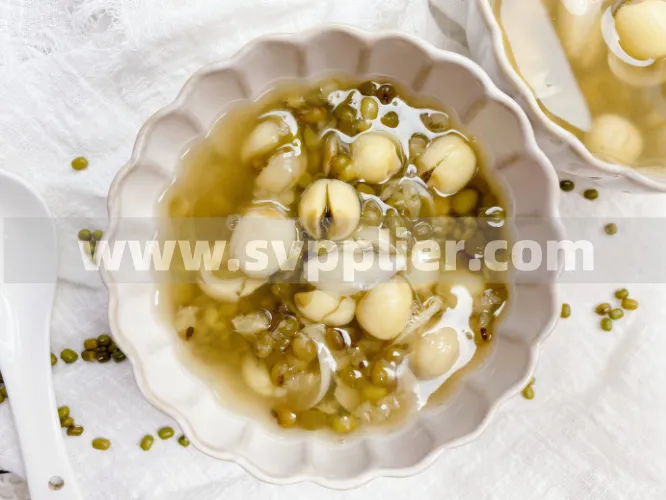
Lotus Seeds vs. Other Nuts
Lotus seeds compare favorably to popular nuts such as almonds, walnuts and Brazil nuts. When it comes to calories, lotus seeds provide 332 per 100 grams. Walnuts nearly double that amount, with 654 calories for the same weight. This makes lotus seeds an excellent choice for anyone looking to keep an eye on calories but still obtain important nutrients. Water content is another major distinction. Lotus seeds have much more water, with 22 times as much as Brazil nuts. This means they hydrate better and may be lighter on your stomach.
Potassium is critical for nerve and muscle function. They have 1.8 times more potassium than Brazil nuts, which supports blood pressure balance and heart health. For bone strength, calcium rules with more than 3.5 times the calcium of Brazil nuts. Manganese, which aids metabolism, is nearly double in lotus seeds compared to Brazil nuts. Lotus seeds contain roughly 24% more pantothenic acid, a B-vitamin necessary for energy.
Speaking of protein, some lotus seeds, such as the JY, contain 34.37 mg/g. That’s flying high and makes them a nice plant protein source for both vegetarians and people looking for some variety. Lotus seeds perform well in antioxidants. The JY lotus plumule shines for phenolics and flavonoids, both associated with reduced inflammation and improved cardiovascular health. Their total phenolic content is 18.64 mg/g and flavonoids are 21.04 mg/g, much higher than many common nuts.
Price is important to most people. Lotus seeds tend to be more economical than nuts like almonds or walnuts, particularly in the areas where they’re cultivated. If it weren’t for these nuts’ other health advantages, this would make them a savvy choice for any health seeker on a budget.
| Nutrient/Benefit | Lotus Seeds | Almonds | Walnuts | Brazil Nuts |
| Calories (per 100g) | 332 | 579 | 654 | 659 |
| Water Content (per 100g) | 22.51x vs Brazil | Lower | Lower | Lowest |
| Potassium (per 100g) | 1.8 times compared to Brazil | moderate | high | lower |
| Calcium (per 100g) | 3.64 times compared to Brazil | High | Moderate | Lower |
| Manganese (100g) | 1.97 times compared to Brazil | moderate | high | lower
| Pantothenic Acid | 23.91% more than Brazil | Moderate | Moderate | Lower
| Protein (JY variety) | 34.37 mg/g | High | High | Medium |
| Phenolics/Flavonoids | Highest (JY) | Moderate | Moderate | Lower |
Preparation and Nutrient Retention
The preparation of lotus seeds significantly influences their nutritional value, including their vitamin C content. Choosing to eat them raw, soak, roast, or cook alters not only the flavor and consistency but also how the body utilizes their bioactive components. Fresh lotus seeds, harvested roughly 15 days after pollination, are rich in soluble sugars and sweet-tasting, but they perish quickly. On the commercial front, antistaling agents like 1-MCP and lacquer wax are employed to delay spoilage and extend seed freshness. To prevent browning, a solution of 0.25 grams per 100 milliliters of SDS and 0.25 grams per 100 milliliters of ascorbic acid is beneficial.
Raw vs. Cooked
Raw lotus seeds are crunchy and have a subtle nutty taste, packed with essential nutrients like vitamin C and other vitamins. These seeds contain enzymes and vitamins that can be destroyed by heat, which is why boiling or steaming lotus seeds makes them softer and easier to digest. This cooking process also helps decompose some antinutrients, allowing for better absorption of minerals such as zinc and iron. However, heat can reduce levels of heat-sensitive nutrients, including vitamin C and certain antioxidants. Superoxide dismutase (SOD) and catalase (CAT), both known for their antioxidant activity, initially rise when heated to 100 °C but subsequently decrease. For variety, raw seeds are great in salads and smoothies, while cooked ones are excellent in soups, porridges, and desserts.
Soaking Impact
Lotus seeds should be soaked as it softens their shell and eases cooking and digestion, enhancing their nutritional compounds. This process reduces phytic acid that blocks mineral uptake, allowing for better absorption of essential vitamins like vitamin C. Sprouted seeds remain firm but lose some water-soluble vitamins if sprouted too long. A generous soak time is four to eight hours, making soaked lotus seeds perfect for stir fries or grain bowls.
Roasting Effects
Roasting transforms lotus seeds into a crispy, nutty treat. It brings out flavor and makes them tastier for snacking. Certain nutrients, specifically vitamin C and a couple of B vitamins, decline during roasting. Roasting at moderate heat and for a short time retains most of the nutrients. Opt for a low oven temperature and stir frequently.
Checklist: Best Practices for Nutrient Retention
- Raw seeds or treated with anti-staling agents.
- Soak seeds 4–8 hours to boost digestibility.
- Avoid high-heat roasting; stick with mild heat.
- Add seeds to varied dishes, both raw and cooked.
- Use SDS and ascorbic acid to stop browning if storing.
- For sprouting, file one end to aid water soaking.
A Personal Take on Integration
Integration is a matter of mixing things up so they fit. With lotus seeds, known for their nutraceuticals and bioactive components, this can be more than just a snack. It’s about convenience, discovering easy methods to incorporate them into everyday dishes for better nutrition. When lotus seeds are a malleable ingredient, the possibilities, spanning entrees to desserts, immediately become endless. A lot of folks are looking for easy supportive meals, and lotus seeds can help fill that void.
Beyond Snacking
Lotus seeds are lightly flavored and quite firm, making them a great option for sweet or savory dishes. Throw them into stir-fries, soups, or stews for additional bite and protein. Toss roasted lotus seeds into salads for crunch, or mix them into yogurt with fruit for breakfast. In desserts, they’re great in puddings or on oatmeal.
- Blend into smoothies for a protein boost
- Use as a topping on vegetable curries
- Grind into flour as a gluten-free base
- Mix into granola or trail mix
- Steep in tea for a subtle nutty flavor
Because of their flexibility, they can work in countless recipes, whether you’re going traditional or experimenting. On top of the texture you get with each bite, you get magnesium, fiber, and other nutrients.
Modern Recipes
Lotus seeds find their way into contemporary kitchens. As a sample, they can be applied in vegan burgers, with ground lotus seeds taking the place of breadcrumbs. In fusion cooking, toss them into risotto or grain bowls. They go great with roasted vegetables or tossed into a stir-fry with tofu and ginger.
You can adapt vintage recipes as well. Substitute them for chickpeas in hummus or in place of croutons on salads. Consider trying energy balls with crushed lotus seeds, dates, and seeds. Every concept demonstrates the versatility of lotus seeds, simplifying eating healthy with minimal adjustment.
Mindful Eating
Lotus seeds – by eating with intention – wake you to their flavor and consistency. Mindful eating is about paying attention to how each bite feels and tastes, which can make meals more enjoyable. It assists with portion control because it’s really simple to scarf down mindlessly oversized quantities of pretzels. Go slow, chew thoroughly, and listen to fullness. It’s a mini-habit system that allows you to make eating lotus seeds healthy and delicious.
Potential Side Effects
Although lotus seeds are generally praised for their nutrition, particularly their antioxidant activity and bioactive components, they may pose problems when eaten excessively. Most studies indicate no notable side effects for Nelumbo nucifera. Long-term safety is unknown given the lack of toxicity data. In excessive quantities, lotus seeds may cause low blood pressure due to alkaloid NN-9. This hypotensive effect may lead to dizziness, fainting, or lethargy, particularly in individuals with existing low blood pressure. Neferine, for example, has displayed alterations in cardiac activity in animal investigations, although its effect on humans is less established. Lotus seeds possess antipyretic activity, which can reduce body temperature. Taking too much might make you chilly or sleepy. To avoid side effects, consume everything in moderation. If you add lotus seeds as part of a balanced diet rich in essential nutrients, you can avoid those unwanted signs. Potential side effects include avoiding them if you have an upcoming surgery and discontinuing lotus at least 2 weeks prior to avoid any unidentified impact on blood pressure or heart function during the operation.
Medication Interactions
There’s not much data on how lotus seed extract interacts with prescription medications, but as with all supplements, proceed with caution. Active compounds in lotus seeds, including NN-9 and neferine, may exhibit antioxidant activity and alter the efficacy of certain drugs. For instance, their impact on blood pressure could conflict with antihypertensive or heart medications. Chronic medication users should note these potential interactions, which can alter the drug’s effectiveness. It’s important to speak with your healthcare professional before introducing lotus seeds into your diet if you take any medications. Being cautious when introducing new foods or supplements to your regimen safeguards your health.
Dietary Restrictions
Lotus seeds are fine for a variety of dietary lifestyles such as vegan and gluten-free. They’re a vegetable-based protein and functional food, rich in carbs and essential nutrients, making them a good choice for most folks. If you’re allergic to seeds or sensitive to plant stuff, watch out. Allergic reactions could manifest as itching, swelling, or difficulty breathing. However, they are rare and not well documented for lotus seeds. For those who can’t have lotus seeds, pumpkin or sunflower seeds may work for you without reaction. As with any supplement, always consult a nutrition professional if you have special dietary needs.
Conclusion
Lotus seeds provide a healthy balance of protein, fiber, and essential minerals. They are equally great in lots of dishes and give you a nice crunch or a soft bite, depending on your cooking method. A lot of people like them because they are gentle on the stomach and easy to incorporate into daily meals. Some prefer them dry roasted as a snack. Some boil them for soups or stews. They’re not as fatty as other nuts, but they still satisfy. Try a small batch first, observe how your body responds, and shake up your snacking. To truly benefit from your food, focus on simplicity and freshness. For more healthy swaps or kitchen tip inspiration, see our other guides.
Frequently Asked Questions
What are the main nutrients in lotus seeds?
Lotus seeds are a great source of protein, fiber, magnesium, potassium, and antioxidants, making them a functional food rich in bioactive components.
How do lotus seeds compare to other nuts?
Lotus seeds are low in calories and rich in protein, making them a functional food option that fits well into balanced diets while having less fat than many common nuts.
Are lotus seeds suitable for people with nut allergies?
They are seeds, not tree nuts, and are rich in several vitamins. Allergies aside, check with a doctor first.
Can lotus seeds be eaten raw?
Lotus seeds are generally cooked or roasted prior to consumption, enhancing digestibility and nutrient absorption, including several vitamins.
Do lotus seeds help with weight management?
Yes, lotus seeds are low in calories and high in fiber, making them a functional food that can aid in weight loss efforts.
What are the potential side effects of eating lotus seeds?
Lotus seeds are generally safe and rich in nutritional compounds. However, overconsumption might induce digestive issues, so individuals with allergies or medical conditions should consult a physician.
How can I add lotus seeds to my diet?
Lotus seeds can be consumed roasted, incorporated in soups, or utilized in desserts, providing essential nutrients like bioactive components and several vitamins, making them a versatile and simple addition to most meals.
Article author: Svpplier | Agriculture Supplier
Original source: